• 首頁 (Home)
  • 理論介紹 (Theories)
    • 警戒色
    • 貝氏擬態 (Batesian mimicry)
    • 穆氏擬態 (Mullerian mimicry)
    • 副貝氏擬態 (quasi-Batesian mimicry)
  • 研究團隊 (research teams)
    • Candy Rowe
    • James Mallet
    • John skelhorn
  • 文獻蒐集 (Bibliography)
    • 2010-
      • 2016
      • 2015
      • 2014
      • 2013
      • 2012
      • 2011
      • 2010
    • 2000-2009
      • 2009
      • 2008
      • 2007
      • 2006
      • 2005
      • 2004
      • 2003
      • 2002
      • 2001
      • 2000
    • More than 650 references on mimicry

擬態生物學

警戒色與擬態的介紹團隊,學術文章導讀,歷史背景,物種,與生物多樣性


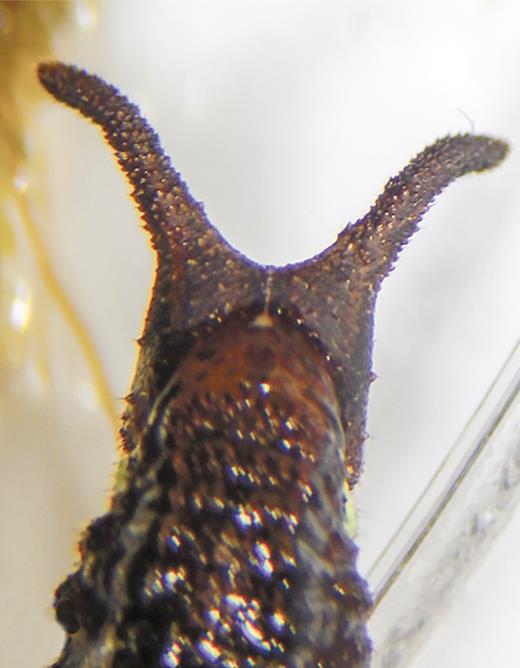
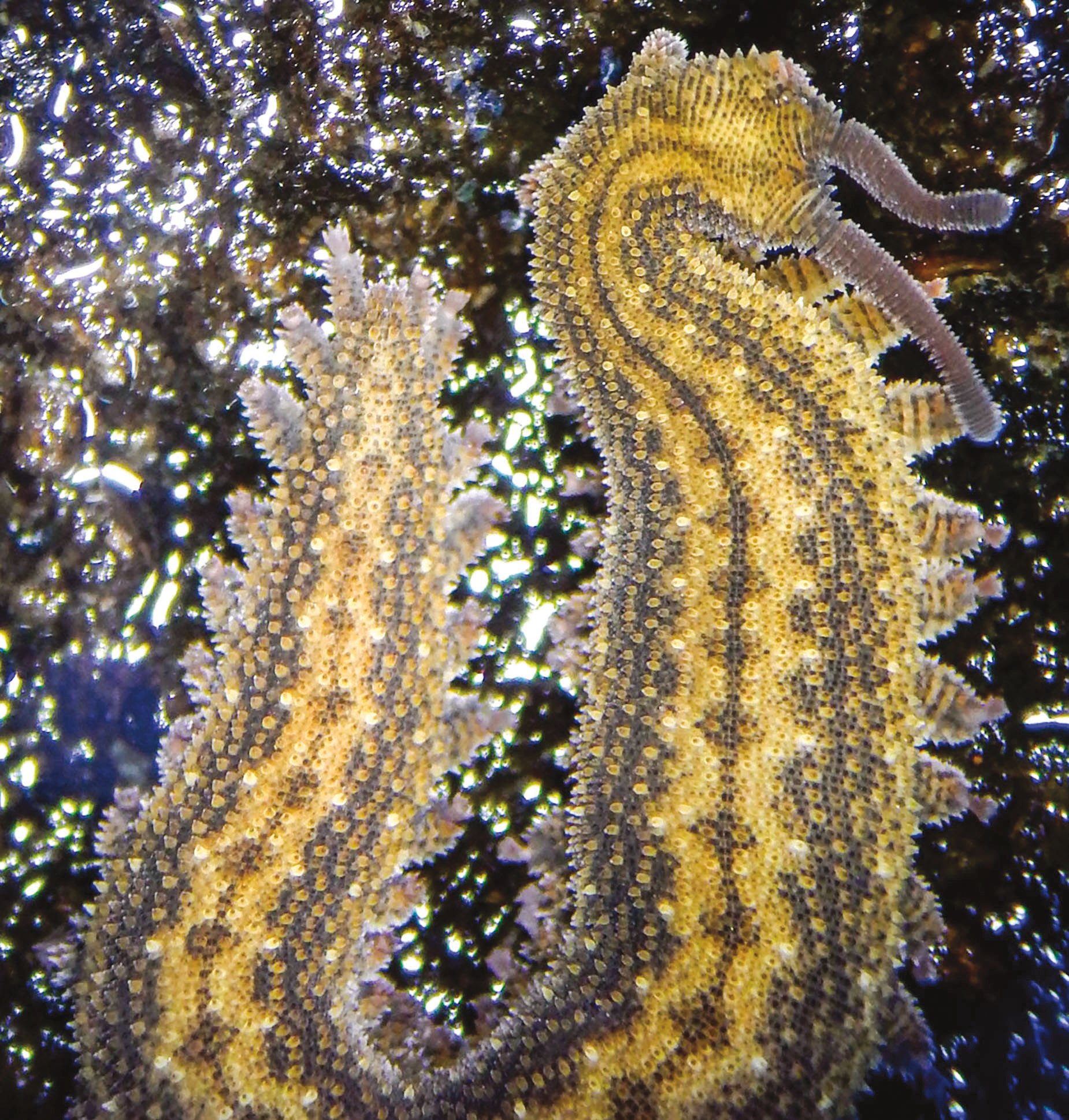
可能是擬態的鱗翅目幼蟲
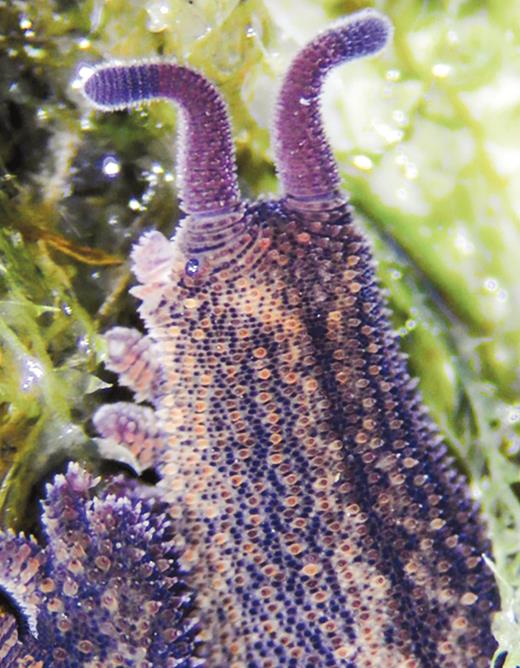
可能是模型的有爪動物

有爪動物 (Onychophora) 是個可愛又神奇的生物,有著長長的身體與很多的腳,現生已描述的種類大約200種(但相信有更多尚未發現),主要分佈在赤道與熱帶地區,根據牠已滅絕的姐妹群來看,其祖先可能早期寒武紀就已存在。

這篇文章描述的是在厄瓜多的有爪動物,而且作者認為當地某些頭上有角的鱗翅目幼蟲擬態這些有爪動物,原因是因為有爪動物在遭遇敵人時,會噴出黏液與用大顎防禦,這些作者認為是一種「讓捕食者不悅」的行為,而幼蟲沒有其它防禦機制,因此鱗翅目幼蟲獲得保護,且根據文中引用的Wagner (2005),美洲的一種鳳蝶Battus philenor的幼蟲與有爪動物的例子(是說這篇也有點問題),因此他們認為這是一種貝氏擬態的例子。

這是個很妙的觀察。兩種不相干的動物生活在同一個地方又長得像,說這是擬態好像很合理,但我們如果考量擬態與演化的前提,就會發現有些部份值得討論:
  1. 有爪動物看起來是與背景對比不強烈的顏色,這樣的體色,或是身體任何部分,有明顯到能引發捕食者警戒或有深刻印象的作用,讓捕食者產生避忌嗎? 
  2. 有爪動物與幼蟲的相對數量未知,但根據一些資料,有爪動物的數量似乎不多,這樣能讓幼蟲獲得足夠的好處嗎? 
  3. 作者認為這是貝氏擬態只是因為行為與外型相似,但他們似乎沒注意到某些沒有有爪動物的區域也有頭上有兩根角,行動緩慢的幼蟲,這個特徵難道不是從幼蟲的祖先承襲來的嗎? 

有了這些疑問,所以能說他們的觀察錯了嗎?恐怕還不行。捕食者看到了什麼,是否真的有作用是不清楚的,相對數量有多少也很難說,就算這個行為是祖徵,也難保幼蟲沒有從這樣的相似性獲得部份來自擬態的好處,因此,雖說這篇証據力薄弱,倒也還不能完全否決。

老話一句,這個現象需要更多的研究。

Zitani NM, Thorn RG, Hoyle M, Schulz JM, Steipe T, Ruiz YB, Sarquis-Adamson Y & Wishart AE. 2018. An Onychophoran and Its Putative Lepidopteran Mimic in the Arboreal Bryosphere of an Ecuadorian Cloud Forest. American Entomologist 64: 94–101.

Wrote by Chia-Hsuan Wei


動物的隱蔽性是來自與背景符合的程度,如果與背景越相似,就越有可能逃出捕食者的魔掌。但現今許多的棲地因人為的管理,而改變了原有的自然環境,如因森林利用而改變原有的植物組成,如此造成的影響是否會衝擊原本以隱蔽性躲避天敵的物種呢?

美國佛州的奧卡拉國家森林公園可能就有這樣的例子,這個研究討論在一種在國家公園中的一種強稜蜥—Floria scrub lizard (Sceloporus woodi),探討在有人類管理過的棲地中對其隱蔽色效果的影響。這種蜥蜴偏好佔領修剪後的沙松 (sand pine) 的灌木叢與有指定燃燒區域(註)中的長葉松,而其體色背面是與枯葉相近的顏色,腹面則有很亮的青藍色斑塊。在這個研究中,作者們使用該蜥蜴的粘土模型(沒錯,又是粘土模型)放在這兩種棲地中,比較其間粘土模型被攻擊的比率與棲地背景異質性的關係,而這些地方預期的捕食者是食火雞。結果之一毫無意外顯示體色與背景體比最大時被攻擊的比率最高。而背面的體色與開放的沙地與死去的木頭對比最大,與枯葉的對比最小,顯示其在後者應有良好的隱蔽效果。

這與棲地管地有何關係?無論是哪種棲地,在枯葉背景上的被攻擊率都是最低的,而作者認為藉由燃燒或是修剪後增加的落葉能增加這種蜥蜴躲藏的地方,因此人為的管理就間接的影響隱蔽色的有效性與物種的適存度。

註:指定燃燒區域 (prescribed burning)是指在森林的某處,為了達到某些目的(如疏伐),在環境允許的情況下,以燃燒的方式達到該目的。

Orton RW, McElroy EJ & McBrayer LD. 2018. Predation and cryptic coloration in a managed landscape. Evolutionary Ecology: 1–17.

Wrote by Chia-Hsuan Wei


無論在貝氏或穆氏擬態,捕食者都需要先被「教育」,也就是要先吃過難吃的,甚或要吐過反胃個兩下,讓捕食者徹底記住這東西不好吃,擬態才能發揮作用。

可是,捕食者吃了感到不適而拒絕的東西,是因為適口度不足(就是難吃),還是因為有毒(對身體有害)呢?

這是個有趣的問題。這個研究以一群裸鰓類(註)的擬態現象來討論這個問題,但這個裸鰓類大家都不熟,所以他們做了很多的分析,確認牠們外觀相似(?)的物種間的擬態關係。首先,研究者從魚類捕食者的視覺模型度確認了相似的紅點在魚類的視覺中是相似的;第二,研究者重建這個類群的親緣關係,確認這些特徵是獨立演化而來,不是因為親緣關係相近;第三,研究者確認不同的裸鰓類間用在防禦的化學物質成份各不相同;最後,以黃點玻璃蝦(Palaemon serenus)測試這些化學物質的適口度,以及用豐年蝦測試毒性,顯示對豐年蝦沒這麼毒的物質,對黃點玻璃蝦來說非常不好吃,這就代表適口度與毒性在擬態的世界中,或許應該考慮視為不同的因子。

最後,個人覺得用兩種生態與習性完全不同的蝦,分別來測適口度與毒性,是不是好像有什麼不太對勁…?

註:某些裸鰓類被叫做海蛞蝓,但叫做海蛞蝓的東西包含很多不同類群,不限於裸鰓類。


Winters AE, Wilson NG, van den Berg CP, How MJ, Endler JA, Marshall NJ, White AM, Garson MJ & Cheney KL. 2018. Toxicity and taste: unequal chemical defences in a mimicry ring. Proceedings of the Royal Society B: Biological Sciences 285: 20180457.
Wrote by Chia-Hsuan Wei


跳蛛的某些種類外觀看起來像蜂、螞蟻、或是有些像甲蟲,已經有許多的觀察與研究,但長得像蠅的似乎不太常見。這個研究描述了一個分佈於玻利維亞的跳蛛新種,其外觀的某些角度與幾種不同的蠅看起來十分相似,作者認為這可能是為了要靠近捕食這些蠅而形成的攻擊型擬態 (aggressive mimicry)

Perger, R., & Rubio, G. D. (2018). A wolf in sheep’s clothing: The description of a fly resembling jumping spider of the genus Scoturius Simon, 1901 (Araneae: Salticidae: Huriini). PLOS ONE, 13(1), e0190582. http://doi.org/10.1371/journal.pone.0190582
Wrote by Chia-Hsuan Wei


海中有名的互利共生的例子之一,就是大型魚會去讓裂唇鱼(醫生魚,俗稱飄飄)咬去體表的寄生蟲這個現象了。而三帶盾齒䲁,俗稱假醫生魚,外觀與醫生魚相似,不是為了要躲避天敵,而是要騙醫生魚的顧客,當顧客要被「醫療」而靠近假醫生魚的時候,牠就偷咬顧客的鰭,造成這稱為「攻擊型擬態」的現象。

但是有研究指出,假醫生魚的食性似乎不是以魚鰭為主,也就是把顧客騙過來吃的假設看起來有點似是而非?這個攻擊型擬態的策略到底作用於何時?或是,是不是真的有作用呢?

這個研究重新探索沖繩瀨底島的假醫生魚回答這個疑問。研究者發現假醫生魚的食物來源有四個:大旋鰓蟲(管蟲)的觸手、硨磲蛤的套膜、雀鯛的蛋與魚的鰭。本研究中的個體中,較頻繁攻擊魚鰭的個體體長明顯較小,而捕食魚蛋個體體長較大。攻擊魚蛋的個體會形成一個捕食群體,提高捕食成功率。而以魚鰭為食的個體較小,可能是因為體形的限制難以加入攻擊魚蛋的群體,只能轉而以攻擊型擬態的捕食策略來存活。

總結起來,就是較小的假醫生魚靠偷吃別魚的鰭為主,較大的就能加入捕食群體增加捕食效率,而攻擊型擬態一直都有用,但主要作用在較小的個體上。


Fujisawa, M., Sakai, Y., & Kuwamura, T. (2018). Aggressive mimicry of the cleaner wrasse by Aspidontus taeniatus functions mainly for small blennies. Ethology, 124(6), 432–439. http://doi.org/10.1111/eth.12743


Wrote by Chia-Hsuan Wei


當在野外看到看起來很醒目的生物,抓起來又臭臭或硬硬的時候,我們管這個情況叫警戒色,然後推想捕食者看到這樣的生物時會「被教育」不能吃。的確,許多的研究證據顯示就是科學家想的這樣,但問題在於捕食者是怎麼認出這不能吃呢?

是獵物的顏色?輪廓?斑點?紋路形狀?

由科博館、中興大學、聖地牙哥州立大學的聯合團隊,以綠島的球背象鼻蟲為材料的研究帶給我們一個思考方向。球背象鼻蟲有著眾所周知的堅硬翅鞘,這在先前的研究證據中已經支持這可以成為有效的防禦機制。他們藉由把真正的象鼻蟲翅鞘上的花紋重新繪製,做出各種不同顏色與樣式,測試捕食者對花紋的反應。另一部份實驗是將象鼻蟲的翅鞘與蟋蟀的前翅交換,以測試外觀對捕食者的影響。以上所做的操作中,捕食者是以同樣來自綠島的攀蜥擔任這個角色。

結果有點出乎意料。他們的統計數據顯示捕食者對表面的任何的斑紋變化並沒有太顯著的偏好或拒絕,反而牠比較在意的是外觀,也就是身體的輪廓形狀等,這似乎才是捕食者能有效辨認象鼻蟲的關鍵。
這就很有意思了,有一些天牛擬態共棲的球背象鼻蟲,就像蘭嶼的擬硬象天牛與斷紋球背象鼻蟲,這兩者間的擬態關係似乎廣泛出現在東南亞諸島。如果捕食者辨識的是球背的身體的輪廓形狀,那麼天牛應該非常容易遭到攻擊,而擬態關係也就不容易存在,但這與目前的觀察不太相符。可能的原因很多,如不同的捕食者看的是不同的特徵,例如本文中蜥蜴看的是外觀,但顏色可能是給鳥類捕食者看,因此也不能說這些顏色完全沒發揮作用。

最後,很明顯的就是,這個需要更多的研究來討論囉。

Lee CY, Yo SP, Clark RW, Hsu JY, Liao CP, Tseng HY & Huang WS. 2018. The role of different visual characters of weevils signalling aposematism to sympatric lizard predators. Journal of Zoology. in press


Wrote by Chia-Hsuan Wei


許多生物斑紋或體色的多態性(polymorphism)有著不同的功能與意義,但在有警戒性的物種中如果有著多態性該如何解釋呢?是代表警戒訊號可能不穩定?還是別有其生物意義?

Arctia plantaginis是一種有警戒性且多態型的夜行性燈蛾,廣泛分佈於歐亞大陸與北美。在之前的研究中,已經知道這種燈蛾化學防禦,但是其多態性所代表的生物意義仍未有可能的解釋。於是這群研究者就想到,如果擬態的起源是基於警戒性,那麼種的多態性是否代表每個型都參與不同的擬態群?

他們以大胸山雀(Great tit)為捕食者,測試白色型與黃色型的燈蛾,並挑選四種共域且可能與燈蛾擬態的尺蛾評估其中的關係。實驗分為三個部分:(1) 藉由操作實驗分為有視覺訊號與無視覺訊號的處理,評估其相對可食度;(2) 以藍山雀(Blue tit)的視覺模型評估表型的相似度;以及 (3) 給予燈蛾的順序是否會影響捕食者的攻擊意願。結果顯示四種中的三種對捕食者來說不夠難吃,因此不會是該燈蛾的擬態模型;另一個結果顯示在黃色蛾的處理中,雖然整體的訊號沒有明顯差別,但捕食者對黃色的燈蛾與尺蛾間感到困惑(猶豫時間較長)。

研究者認為這個結果能夠解釋不完美擬態的關係 (燈蛾vs尺蛾)。由於視覺訊號的結果顯示白色與黃色型內的物種間是無法顯著辨別,因此這個結果也支持這個多態型的來源是因為參與不同的擬態型,即使在研究中並沒有找到白色型不好吃的擬態模型。

Rönkä, K., Mappes, J., Kiviö, R., Salokannas, J., Michalis, C. & Rojas, B. 2018. Can multiple-model mimicry explain warning signal polymorphism in the wood tiger moth, Arctia plantaginis (Lepidoptera: Erebidae)? Biological Journal of the Linnean Society. in press
Wrote by Chia-Hsuan Wei


透翅蛾雖然不是那麼容易見到,但其外觀與膜翅目(主要是胡蜂與蜜蜂)的相似性實在令人難以忽略。即使人類的視角下,其與蜂類的擬態關係幾乎不會有疑問,但有沒有其它的證據能支持這樣的擬態關係呢?比如,從行為是否相似的觀點下手?

於是這就是本文的中心想法,也就是擬態蜜蜂/胡蜂的蛾,飛行行為應該會分別與蜜蜂與胡蜂相似。研究者比較了擬態蜜蜂的透翅蛾:Heterosphecia pahangensis、Aschistophleps argentifasciata 與 Pyrophleps cruentata,與蜜蜂 Apis andreniformis、Tetragonilla collina 與 T. atripes;擬態胡蜂的蛾 Pyrophleps sp.,與胡蜂 Tachysphex sp.。對於這些標的,研究者錄下牠們的飛行影片,分析飛行速度、懸飛最長時間、直線性、彎曲性、前進方向的自迴歸(包含波長與振幅)與方向改變的平均值與標準差,來了解飛行行為的差異。

透過主成分分析(PCA)的結果顯示,擬態蜜蜂與胡蜂的類群間飛行行為有明顯的差異,但擬態同樣對象的類群內則無差異,這就代表透翅蛾與其擬態對象的飛行模式是相似的。


ps. 雖然覺得他們挑得透翅蛾與蜜蜂/胡蜂間看起來真的不太像,不過還是可以看出擬態對象與行為的差異是滿有趣的。

Volponi MAS, McLean DJ, Volponi P & Dudley R. 2018. Moving like a model: mimicry of hymenopteran flight trajectories by clearwing moths of Southeast Asian rainforests. Biology Letters 14: 20180152.
Wrote by Chia-Hsuan Wei
Adelpha iphiclus
photo from learnaboutbutterflies.com
Adelpha serpa
photo from learnaboutbutterflies.com

標題:Complex dynamics underlie the evolution of imperfect wing pattern convergence in butterflies


摘要

Adaptive radiation is characterized by rapid diversification that is strongly associated with ecological specialization. However, understanding the evolutionary mechanisms fueling adaptive diversification requires a detailed knowledge of how natural selection acts at multiple life-history stages. Butterflies within the genus Adelpha represent one of the largest and most diverse butterfly lineages in the Neotropics. Although Adelpha species feed on an extraordinary diversity of larval hosts, convergent evolution is widespread in this group, suggesting that selection for mimicry may contribute to adaptive divergence among species. To investigate this hypothesis, we conducted predation studies in Costa Rica using artificial butterfly facsimiles. Specifically, we predicted that nontoxic, palatable Adelpha species that do not feed on host plants in the family Rubiaceae would benefit from sharing a locally convergent wing pattern with the presumably toxic Rubiaceae-feeding species via reduced predation. Contrary to expectations, we found that the presumed mimic was attacked significantly more than its locally convergent model at a frequency paralleling attack rates on both novel and palatable prey. Although these data reveal the first evidence for protection from avian predators by the supposed toxic, Rubiaceae-feeding Adelpha species, we conclude that imprecise mimetic patterns have high costs for Batesian mimics in the tropics.

悌蛺蝶屬 (Adelpha) 主要分佈於新熱帶區,是個物種多樣性極高的複雜類群,目前包含大約85個已知種。這麼高多樣性的類群當然吸引科學家的目光,除了高多樣性的快速演化與起源在近年的相關研究,另一個關注的焦點在其中有一個翅紋樣式在整個屬內多次演化出現,雖然一直被認為是屬內的擬態關係,但相關研究其實不多。


悌蛺蝶屬 (Adelpha)的翅紋多樣性與分布
photo from Lynsey Bunnefeld

photo from Finkbeiner et al. 2012

這個研究在哥斯大黎加進行,在野外針對應該是被擬態者,專食於茜草科的 Adelpha iphiclus ,與另一種廣食種 Adelpha serpa,測試兩者間的翅紋是否存在擬態關係,亦或是單純的趨同。為何是茜草科呢?數個研究指出茜草科的物種含有會讓草食動物避忌的植物鹼化合物,因此專食於茜草科的物種也很有可能在體內存有這類化合物,讓天敵避開 A. iphiclus。實驗用的蝴蝶是將紙翅膀印出後,黏在黏土做的身體上 (如右圖),並且以光學的方法確定其反射光譜與真實的蝴蝶相似後,再放至野外進行實驗,也就是如果在環境中的捕食者已經被「教育」過了,那麼應該會避免 A. iphiclus,而如果與 A. serpa 間有擬態關係的話,那麼兩者間的被攻擊率應該會十分接近。

結果相當出人意料:A. iphiclus 的被攻擊率相較做為控制組的 Junonia 與另一種 A. leucopthalma來說是顯著的最低,但居然也顯著的低於與斑紋十分相似的 A. serpa!難道兩者間沒有擬態關係嗎?

這個結果代表幾件十分重要的事:1) 雖然這個相似的斑紋一直被當成是擬態的例子,但從結果來看很明顯並非如此,而是A. iphiclus這個物種的斑紋對捕食者是警戒色,但 A. serpa 的斑紋則沒有類似的作用;2) 這也是個很好的例子,即使從人類的角度來看十分相似 ,對捕食者 (在本研究中是鳥類) 來說還是能夠分辨其差異,這跟其他的不精確擬態群有點相似,在環境中可以接受不小的差異 (如食蚜蠅),但這個例子是看起來精確,但可能是極度不精確的貝氏擬態關係;3) 雖然這個研究不支持兩者間的擬態關係,但可能是某些環境因素造成這樣的結果,像是兩者間的頻率或是防禦程度在族群內變動等,也就是可能在其他區域的結果可能不同。

本實驗中所使用的物種與統計結果
這個研究挑戰了所謂傳統的擬態群,而也發現令人驚訝的結果,這說明長久以來認定的擬態群可能只侷限在人類的觀點中。作者也並沒有把話說死,直到最後仍用「貝氏的不精確擬態」來描述這兩者間的關係。這個研究的結果也應該提醒了相關研究者,擬態現象的檢測,仍要考慮捕食者視覺,各種生態因子的交互作用,其中的機制可能並非放諸四海皆準。


相關文獻


  • Mullen SP, Savage WK, Wahlberg N & Willmott KR. 2011. Rapid diversification and not clade age explains high diversity in neotropical Adelpha butterflies. Proceedings of the Royal Society B: Biological Sciences 278: 1777–1785
  • Ebel ER, Dacosta JM, Sorenson MD, Hill RI, Briscoe AD, Willmott KR & Mullen SP. 2015. Rapid diversification associated with ecological specialization in Neotropical Adelpha butterflies. Molecular Ecology 24: 2392–2405


Wrote by Chia-Hsuan Wei
弓拱獵蛛 (Evarcha arcuata)
photo from wikipedia


標題:How variation in prey aposematic signals affects avoidance learning, generalization and memory of a salticid spider

摘要

Most studies of aposematism focus on the effect of warning signals on vertebrate predators, especially birds. In our experiments, we used jumping spiders, Evarcha arcuata (Araneae: Salticidae) as predators, and larvae of three colour forms (red, white, yellow) of an unpalatable firebug, Pyrrhocoris apterus (Heteroptera: Pyrrhocoridae) as prey. The experiments were divided into four successive steps, focusing on different aspects of predatore-prey interaction. (1) When presented with a firebug for the first time, the spiders captured the white, least conspicuous colour form more often than the other two. No differences in the attack latencies were observed between the colour forms. (2) In the avoidance-learning test, the spiders were offered in succession five firebugs of one of the three colour forms. The attack and capture rate decreased in all colour forms, more notably in the red, most conspicuous form. (3) After five presentations of the same prey, the spiders were presented with a different firebug colour form. The results of the generalization process were asymmetric: spiders' attack rate increased when the red prey was followed by the yellow or white one, but decreased when the red form was presented after the other colour forms. (4) Spiders attacked the same prey more often the next day, but the attacks were seldom fatal. Similarly to the initial reaction, spiders captured the white firebugs more often. Our results show that for E. arcuata, the red coloration can represent an effective aposematic signal. Red prey coloration decreased the attack rate during the avoidance-learning process and favoured the prey in generalization between different colour forms. Yellow coloration was moderately effective against E. arcuata, whereas white coloration was the least effective because of low innate bias against this signal.

無翅紅蝽 (Pyrrhocoris apterus) 紅色型

以行為實驗的設計捕食者對警戒色與擬態選擇的研究方法,是一個最直接了解在生態系中這些機制如何運作的方法。大多數的研究主要是以鳥類為實驗進行時的捕食者,是因為鳥類看起來對這類的獵物有明顯選擇,也被認為是推動擬態與警戒色的主要角色。然而,考慮到現實中有各式各樣的掠食生物,科學家也開始思考是否有能用其他動物來測試的可能性?

跳蛛在自然界是一個主要的捕食者,有些蛾的翅紋也與跳蛛擬態有關,但有關跳蛛的相關行為實驗卻很少。這個研究選擇以弓拱獵蛛 (Evarcha arcuata) 做為捕食者,以無翅紅蝽 (Pyrrhocoris apterus) 的三種色型-紅色、黃色與白色進行實驗。實驗分為四個部分 (1) 將跳蛛分為四組,分別是紅色、黃色、白色與果蠅做為獵物,結果發現對白色的捕捉率最高,但對所有色型的反該時間無顯著延遲; (2) 學習迴避測試:將其中一個色型的紅蝽連續給予同一隻跳蛛五隻,結果發現所有色型的捕捉率都逐漸下降,特別是最明顯的紅色;(3) 在給予五隻之後,給予不同色型,結果有趣的是如果一開始給的是紅色而後給白/黃色,跳蛛的攻擊率會上升,但如果是反過來的話,攻擊率會下降;(4) 跳蛛隔天對同樣獵物的攻擊較多,也同樣的對白色的獵物攻擊較多。這個結果顯示紅色對跳蛛而言是個有效的警戒色,黃色次之,白色效果最低。

在給予五隻紅蝽的測試結果:攻擊率與捕捉率
三角=紅色,圓型=黃色,方型=白色,菱型=果蠅

前五個給予紅-白與白-紅處理的結果

前五個給予紅-黃與黃-紅處理的結果
給予後三次與隔日的處理結果

這個研究的邏輯看似十分簡單,厲害的是他們的重覆數極多,每組的個體數都有25隻,加上每個子處理組,總共有200隻跳蛛。無論是要採200隻或是養200隻,若是考慮折損率,以跳蛛來說都是非輕易能達成的數量。另外,紅蝽的變異色也可能不容易取得,實際上來說這是很不容易的一個數量。而這類的行為研究也建議有這樣的重覆數才能有足夠的可信度。


Wrote by Chia-Hsuan Wei
非洲白鳳蝶的多態型,左上方框內是雄性,線的上方是各種斑蝶與細蝶,線的下方是各型雌性白鳳蝶
photo from mimeticbutterflies.org


標題:Independent evolution of sexual dimorphism and female-limited mimicry in swallowtail butterflies (Papilio dardanus and Papilio phorcas)


摘要

Several species of swallowtail butterflies (genus Papilio) are Batesian mimics that express multiple mimetic female forms, while the males are monomorphic and nonmimetic. The evolution of such sex-limited mimicry may involve sexual dimorphism arising first and mimicry subsequently. Such a stepwise scenario through a nonmimetic, sexually dimorphic stage has been proposed for two closely related sexually dimorphic species: Papilio phorcas, a nonmimetic species with two female forms, and Papilio dardanus, a female-limited polymorphic mimetic species. Their close relationship indicates that female-limited polymorphism could be a shared derived character of the two species. Here, we present a phylogenomic analysis of the dardanus group using 3964 nuclear loci and whole mitochondrial genomes, showing that they are not sister species and thus that the sexually dimorphic state has arisen independently in the two species. Nonhomology of the female polymorphism in both species is supported by population genetic analysis of engrailed, the presumed mimicry switch locus in P. dardanus. McDonald-Kreitman tests performed on SNPs in engrailed showed the signature of balancing selection in a polymorphic population of P. dardanus, but not in monomorphic populations, nor in the nonmimetic P. phorcas. Hence, the wing polymorphism does not balance polymorphisms in engrailed in P. phorcas. Equally, unlike in P. dardanus, none of the SNPs in P. phorcas engrailed were associated with either female morph. We conclude that sexual dimorphism due to female polymorphism evolved independently in both species from monomorphic, nonmimetic states. While sexual selection may drive male-female dimorphism in nonmimetic species, in mimetic Papilios, natural selection for protection from predators in females is an alternative route to sexual dimorphism.

福翠鳳蝶 (Papilio phocas)
雄性 (上)與雌性 (下),
另有一型與雄性相似
鳳蝶的雌性多態性與限性擬態的演化起源已經吸引科學家討論好久,但始終還沒找到一個定論。究竟那是個數個物種的共有衍徵?抑或是個別物種的獨有衍徵呢?或許可以從非洲白鳳蝶 (Papilio dardanus) 的例子中看出端倪。

福翠鳳蝶 (Papilio phocas)與非洲白鳳蝶同屬白鳳蝶種群 (dardanus species-group),有些觀點認為這兩種可能是最近緣的種類。福翠鳳蝶同樣是只有雌性多態型,但不同的是其不參與擬態。也就是說,如果系統發生學的分析支持這兩個物種是姊妹群,那麼就支持雌性多態性的單一起源。

這個研究以基因體層級大規模的分析,以3964個基因與全粒腺體序列推測這兩者間的親緣關係。結果顯示兩者並未如預期的是最近的姊妹群。另外,此團隊也對控制擬態斑紋的engrailed基因的單核苷酸多態性 (SNP, Single Nucleotide Polymorphism)做分析,在白鳳蝶的多態型族群中偵測到平衡選擇 (balancing selection)的特徵,而在單態型與福翠鳳蝶的族群中都沒有。在非擬態的福翠鳳蝶的SNP分析中,engrailed基因也與雌性多態無關。根據以上資料可以推論,這兩個物種的雌性多態性是起源於單態且非擬態的狀態獨立演化而來,進而形成性雙型性。非擬態的物種的性雙型性可能是由性擇推動,而擬態物種的性雙型性來自天擇作用於雌性,讓這兩個看似相似的現象有著截然不同的機制。


Wrote by Chia-Hsuan Wei
圖片來自本文
原文標題:Identification of doublesex alleles associated with the female-limited Batesian mimicry polymorphism in Papilio memnon (open access)


摘要

The female-limited Batesian mimicry polymorphism in Papilio butterflies is an intriguing system for investigating the mechanism of maintenance of genetic polymorphisms. In Papilio polytes, an autosomal region encompassing the sex-determinant gene doublesex controls female-limited mimicry polymorphism. In the closely related species P. memnon, which also exhibits female-limited Batesian mimicry polymorphism, we identified two allelic sequences of the doublesex gene that corresponded exactly with the mimetic and non-mimetic female phenotypes. Thus, the genetic basis of the mimicry polymorphism in P. memnon is similar to that in P. polytes. However, the mimetic and non-mimetic alleles of the two species were not identical, and the divergence of alleles occurred independently in P. memnon and P. polytes. Different mutation-selection processes may have resulted in the convergent patterns of mimicry polymorphism in these Papilio butterflies.

自從控制非洲的白鳳蝶 (Papilio dardanus) 的雌性限性擬態/多態性翅紋的基因座發現後,來到2014年,控制玉帶鳳蝶雌性限性擬態/多態性的超基因 doublesex 的序列與機制也被發掘出來 (可參考這篇文章與這個新聞) 。那麼有著類似斑紋變化,同樣是經典的擬態案例的大鳳蝶呢?

同樣是京都大學的曾田貞滋教授團隊與師大生科系的林仲平教授合作的研究,在這篇文章中,他們發現控制大鳳蝶的超基因與玉帶鳳蝶相似,都位於doublesex這個基因座上,也有表現擬態的顯性 (H) 與隱性 (h)。然而,雖然大鳳蝶與玉帶鳳蝶是同一個亞屬,但兩種目的基因的序列並不相同,而且系統發生學的分析顯示兩者間的基因來源是獨立演化而來。

系統發生學分析顯示玉帶鳳蝶與大鳳蝶的親緣關係


以系統發生學的方式分析doublesex基因序列的關係,顯示大鳳蝶與玉帶鳳蝶間的基因來源是獨立演化而來

控制表型的基因在種間是獨立演化而來其實是滿普遍的現象,但為何這個研究要特地分析兩種的序列以證明其獨立演化來源呢?因為以毒蝶來說,控制斑紋的超基因是會藉由雜交而在不同族群間交換,如果把以系統發生學的方式分析毒蝶的超基因,會發現每個支系混雜不同的族群,而在這篇文章中可以發現兩者的分化顯著,顯示其推動基因演化的機制與毒蝶有所差異。


Wrote by Chia-Hsuan Wei
圖片來源:https://reefbuilders.com/2014/11/14/survival-reef-part-1-masquerading-false-colours/#


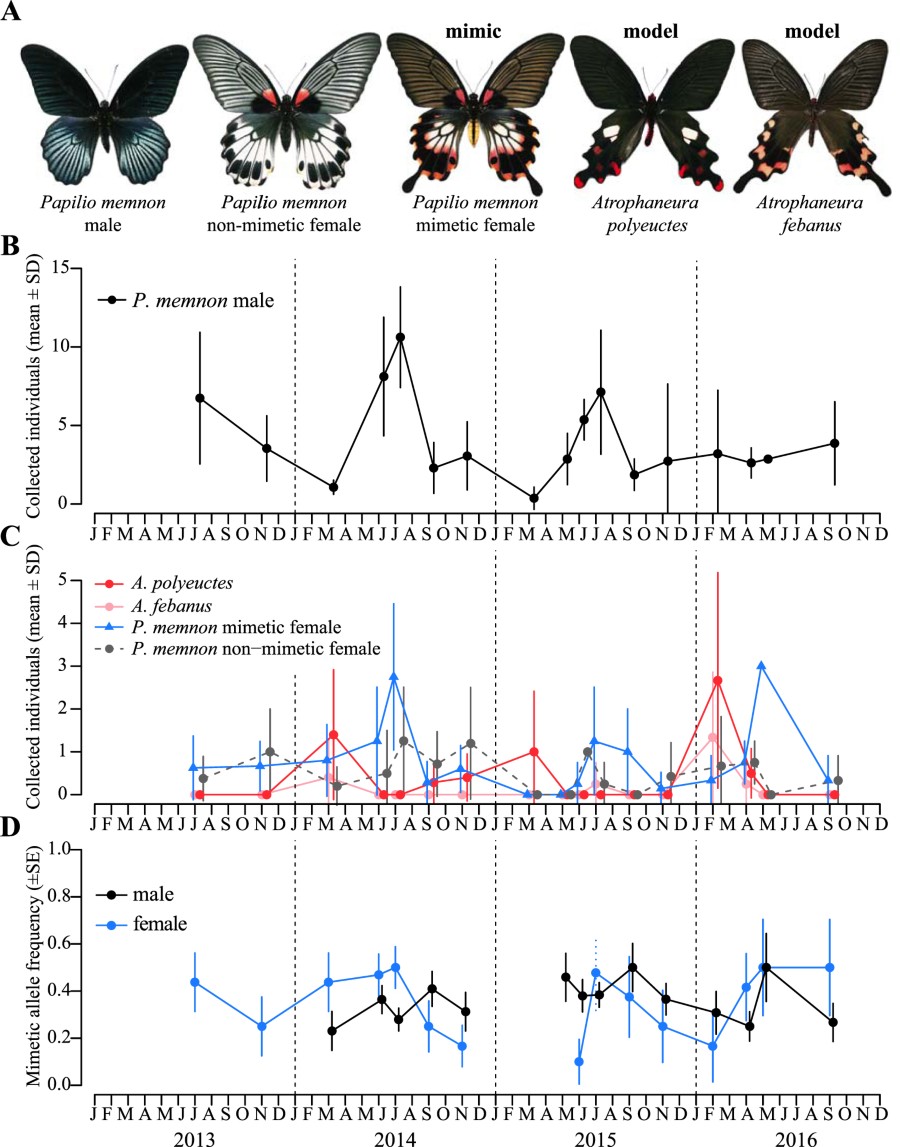
標題:Temporal dynamics of the mimetic allele frequency at the doublesex locus, which controls polymorphic Batesian mimicry in Papilio memnon butterflies (open access)

摘要

Tracking allele frequencies is essential for understanding how polymorphisms of adaptive traits are maintained. In Papilio memnon butterflies, which exhibit a female-limited Batesian mimicry polymorphism (wing-pattern polymorphism), two alleles at the doublesex (dsx) locus correspond to mimetic and non-mimetic forms in females; males carry both dsx alleles but display only the non-mimetic form. This polymorphism is thought to be maintained by a negative frequency-dependent selection. By tracking dsx allele frequencies in both sexes at a Taiwanese site over four years, we found that the mimetic allele persists at intermediate frequencies even when the unpalatable model papilionid butterflies (Pachliopta and Atrophaneura species) were very rare or absent. The rates of male mate choice did not differ between the two female forms; neither did insemination number nor age composition, suggesting equivalent reproductive performance of the two forms over time. Our results characterised the temporal dynamics of the mimetic allele frequency in the field for the first time and give insights into underlying processes involved in the persistence of the female-limited Batesian mimicry polymorphism.

大鳳蝶是貝氏擬態的教科書經典案例,在亞洲對這個自家後院就看到的物種自不用說,而西方透過自華萊士時代的紀錄與研究,幾乎全世界都對這個例子的多態性、雌雄二態性與擬態間的關係與來源十分感興趣。這篇文章是京都大學的曾田貞滋教授 (Teiji Sota)及他的學生,與師大生科的林仲平教授合作,以台灣的大鳳蝶為材料,進行長達四年 (2013-2016) 的野外觀察與基因體研究的一部份成果。

這個研究的關鍵在於:首先,貝氏擬態的前提是以負向頻率(negative frequency-dependent selection)為選汰機制,意思也就是在已知的環境中,擬態者的數量不能過多,否則天敵遇到大部份的個體都能吃的話,這個擬態斑紋就可能失效。然而像斑紋高度多態性又牽涉雌雄二態的大鳳蝶,控制擬態的超基因 (supergene) 的族群基因頻率在環境中,如何在擬態與非擬態型中取得平衡就是個很有趣的問題了。


這個團隊執行了幾個部份的調查與實驗。(1) 他們在台灣花蓮以穿越線調查蝴蝶的狀況,並且分析其年齡、身體尺寸、天敵攻擊的咬痕,與交配的次數;(2) 分析大鳳蝶與其擬態模型紅紋鳳蝶 (Pachliopta aristolochiae)、大紅紋鳳蝶 (Atrophaneura polyeuctes) 與台灣麝香鳳蝶 (Atrophaneura febanus) 在這四年中的族群數量 (2) 設計行為的實驗測試大鳳蝶雄性對不同表型的雌性是否具有交配偏好;(3) 野外採集的個體帶回至實驗室進行分生的分析,將其基因型統計是否符合哈溫定律。主要的結果支持兩性的基因頻度的調查皆符合哈溫定律,而雄性無論對擬態或非擬態型的雌性都沒有特殊的擇偶偏好。在四年的觀察與採集中,doublesex的基因頻度維持在中等程度,並未因擬態模型的數量變動偵測到顯著變化,也未發現明顯的負向頻度選汰。也就是說,擬態模型在環境中的頻度與雄性無明顯擇偶偏好,都對doublesex的基因頻度沒有顯著的影響, 而這可能是大鳳蝶能夠維持斑紋多態性的原因。

===
以下是對這個研究的一些觀點:


  1. 這個研究的個體僅從花蓮取得,不知是否足以推及解釋台灣其他區域的族群。
  2.  一般來說,大鳳蝶的擬態對象認為是紅紋鳳蝶 (Pachliopta aristolochiae),而這個研究則認為不曾被紀錄是擬態對象的大紅紋鳳蝶 (Atrophaneura polyeuctes) 與台灣麝香鳳蝶 (Atrophaneura febanus) 也同時是其擬態模型。然而,紅紋鳳蝶與另兩種蝴蝶的棲地類型有所差異,根據這個研究的資料,在花蓮的研究地點紀錄的紅紋鳳蝶個體僅有1隻,遠低於大紅紋的21隻,有可能其觀測與採集地點並非天擇作用於擬態斑紋的主要活躍區域,因此擬態者的擬態模型與補食者的動物相的差異,可能影響基因頻率的觀察結果,而非單純的「維持在中等程度進而維持族群中翅紋的多態性」。若是未來能加入更廣泛區域的資料,能讓相關研究更加完整。
  3. 雖然大鳳蝶的擬態關係常被用來解釋擬態現象,但畢竟是以人類的視覺角度來觀察,而且大鳳蝶翅紋多態性的變化程度遠比想象中的高,如果一點點差異就會造成擬態效果的變化,那麼所謂「擬態型」的個體與其基因頻度或許要再評估。
Wrote by Chia-Hsuan Wei
褐刺嘴鶯 (Acanthiza pusilla)
photo: Brown thornibill (wiki)
標題:Crying wolf to a predator: deceptive vocal mimicry by a bird protecting young

摘要

Animals often mimic dangerous or toxic species to deter predators; however, mimicry of such species may not always be possible and mimicry of benign species seems unlikely to confer anti-predator benefits.We reveal a system in which a bird mimics the alarm calls of harmless species to fool a predator 40 times its size and protect its offspring against attack. Our experiments revealed that brown thornbills (Acanthiza pusilla) mimic a chorus of other species’ aerial alarm calls, a cue of an Accipiter hawk in flight, when predators attack their nest. The absence of any flying predators in this context implies that these alarms convey deceptive information about the type of danger present. Experiments on the primary nest predators of thornbills, pied currawongs (Strepera graculina), revealed that the predators treat these alarms as if they themselves are threatened by flying hawks, either by scanning the sky for danger or fleeing, confirming a deceptive function. In turn, these distractions delay attack and provide thornbill nestlings with an opportunity to escape. This sophisticated defence strategy exploits the complex web of interactions among multiple species across several trophic levels, and in particular exploits a predator’s ability to eavesdrop on and respond appropriately to heterospecific alarm calls. Our findings demonstrate that prey can fool predators by deceptively mimicking alarm calls of harmless species, suggesting that defensive mimicry could be more widespread because of indirect effects on predators within a web of eavesdropping.

這是個有意思的故事,述說如何以小蝦米對大鯨魚。

思考一下,一個體型較小的生物如何對抗捕食者?要不是逃走,要不是對抗,但如何對抗是個很大的問題,是要直接衝上去打一架?打不贏怎麼辦?或有其他的方法?
斑噪鍾雀 (Strepera graculina)
photo: Pied currawong (wiki)
黃翅澳蜜鳥 (Phylidonyris novaehollandiae)
photo: New Holland Honeyeater (wiki)

褐刺嘴鶯 (brown thornbills, Acanthiza pusilla) 是一種分佈於澳洲的小型鳥類 (約6克重),而大褐刺嘴鶯40倍的斑噪鍾雀(pied currawongs, Strepera graculina)會接近他們的巢攻擊,此時這種鳥會發出明顯是擬態黃翅澳蜜鳥 (New Holland honeyeater, Phylidonyris novaehollandiae)的警戒聲欺騙斑噪鍾雀以躲避攻擊,但實際上是如何運作的還是個謎。

Fig. 1 涉入物種間的生態闗係與警戒音
Fig. 2 不同處理下發出警戒音的次數
作者群有個複雜的假設:褐刺嘴鶯的警戒聲擬態是為了告訴捕食者有其他更高階的捕食者來了。作者群的實設有三個處理:以共棲的深紅玫瑰鸚鵡 (crimson rosella, Platycercus elegans) 做為無威脅的控制組、靠近巢的斑噪鍾雀為潛在威脅組,攻擊中的捕食者為立即威脅組,分別分析其發出的警戒音。研究結果顯示褐刺嘴鶯能發出類似黃翅澳蜜鳥頻率的警戒音,有效的欺騙捕食者(斑噪鍾雀),而這個警戒音是黃翅澳蜜鳥用以通知同類有空中捕食者。

總結這個故事其實是這樣:褐刺嘴鶯受到威脅後,發出黃翅澳蜜鳥的警戒音,恫嚇斑噪鍾雀「有捕食者在後面」,降低其攻擊的意願,此時褐刺嘴鶯藉著空檔逃走,就像「狼來了」以一樣。鳥類聲音的擬態牽涉高度認知科學。原使用者的警戒音要能夠忠誠反應其訊號(高階捕食者來了);捕食者要知道這個訊號代表的意義,;擬態者要認出捕食者,還要能選擇正確的警戒音(選錯就GG),這與被動的接受天擇的擬態形式以及機制的來源是有所差異。

Wrote by Chia-Hsuan Wei
Fig. 1 織布鳥與寡婦鳥的親緣關係。圖中框起來的就是本文主角-雌性寄生織布鳥。在其上的是擬態的模型,紅寡婦鳥(雄性紅色那隻)。
標題:Evidence for aggressive mimicry in an adult brood parasitic bird, and generalized defences in its host.

摘要

Mimicry of a harmless model (aggressive mimicry) is used by egg, chick and fledgling brood parasites that resemble the host’s own eggs, chicks and fledglings. However, aggressive mimicry may also evolve in adult brood parasites, to avoid attack from hosts and/or manipulate their perception of parasitism risk. We tested the hypothesis that female cuckoo finches (Anomalospiza imberbis) are aggressive mimics of female Euplectes weavers, such as the harmless, abundant and sympatric southern red bishop (Euplectes orix). We show that female cuckoo finch plumage colour and pattern more closely resembled those of Euplectes weavers (putative models) than Vidua finches (closest relatives); that their tawny-flanked prinia (Prinia subflava) hosts were equally aggressive towards female cuckoo finches and southern red bishops, and more aggressive to both than to their male counterparts; and that prinias were equally likely to reject an egg after seeing a female cuckoo finch or bishop, and more likely to do so than after seeing a male bishop near their nest. This is, to our knowledge, the first quantitative evidence for aggressive mimicry in an adult bird, and suggests that host–parasite coevolution can select for aggressive mimicry by avian brood parasites, and counter-defences by hosts, at all stages of the reproductive cycle.

侵略型擬態 (aggressive mimicry) 的型式有很多種,最常見的是醫生魚與假醫生魚的例子,鳥類的話就是杜鵑將蛋寄生在別種鳥類的巢中。以鳥來說,要將蛋成功寄生需要付出很大的耗費,通常是鳥蛋的樣式或是雛鳥的乞食標記,透過侵略型擬態的方式達成寄生的目的。除了蛋與雛鳥,成體是否也存在侵略型擬態呢?

原生於非洲的寄生織布鳥 (cuckoo finch, Anomalospiza imberbis) 是會將鳥蛋寄生在同屬於非洲的褐頭鷦鶯 (tawny-flanked prinia, Prinia subflava) 的巢中,而寄生織布鳥的的雌性外貌十分類似分佈於當地非寄生姓的紅寡婦鳥 (southern red bishop, Euplectes orix)。基於物種間不太可能沒來由的具有高度相似性,而且當分佈又重疊時,自然學家心中的一些疑問就產生了:難道雌性織布鳥藉由擬態雌性紅寡婦鳥來接近褐頭鷦鶯的巢,避免被趕走,增加寄生鳥蛋的成功率嗎?

作者群提出幾個假設。首先,如果織布鳥是擬態者,那麼牠們的數量應該要低於其擬態者;其次,雌性織布鳥的外貌相似的來源是是因為擬態或是系統發生上的限制?如果是因為前者,那麼應該跟紅寡婦鳥的樣子比較接近,如果是因為後者,那麼應該會跟姊妹群的樣子比較接近;其三,如果褐頭鷦鶯無法分辨雌性織布鳥與雌性紅寡婦鳥,並且認為雄性織布鳥是種威脅,那麼將兩性的織布鳥與紅寡婦鳥同時呈現在褐頭鷦鶯面前時,應該只會排除雄性織布鳥,其他三種則不會有強烈的反應;最後,如果褐頭鷦鶯發現雌性的織布鳥擬態時,是否會回頭將外來的鳥蛋排除?

Fig. 2 織布鳥、紅寡婦鳥屬與姊妹群維達鳥屬的分佈與顏色的差異。

Fig. 3 褐頭鷦鶯看到織布鳥後的警戒音與排除鳥蛋的行為結果
作者群分別以光學模型、系統發生學,與行為學的方式來驗證這些假設。結果顯示雌性織布鳥的數量遠少於紅寡婦鳥以及其姊妹群,羽毛的顏色也比較接近雌性紅寡婦鳥,支持雌性織布鳥外貌的擬態。行為的結果顯示比起對雌性織布鳥與紅寡婦鳥,對兩種鳥的雄性排除性更高,也就代表褐頭鷦鶯無從分辨雌性織布鳥與紅寡婦鳥。最後,當褐頭鷦鶯看到雌性織布鳥與紅寡婦鳥後,排除鳥蛋的行為比看到雄性紅寡婦鳥更加明顯。

或許是我對於鳥類的行為太不瞭解,但有意思的是整個實驗做完後發現雌織布鳥的擬態似乎至少在某些地方是無助於鳥蛋寄生的成功率,甚至可能因為雌紅寡婦鳥的關係增加被排除的風險,這還能算是侵略型擬態嗎?或是因為實驗設計的關係呢?或是擬態後的好處不在此?

希望能釣到比較瞭解這些鳥的故事的朋友,出來說說不同面向的看法,讓我們更瞭解這個文章的全貌。
Wrote by Chia-Hsuan Wei
褐黃沼澤雀 (Pseudoleistes virescens)
photo: PECHO AMARILLO Pseudoleistes virescens (wikimedia)

標題:Brown-and-yellow marshbirds reduce their acceptance threshold of mimetic brood parasite eggs in the presence of non-mimetic eggs

摘要

The recognition and subsequent rejection of brood parasite eggs is one of the most commonly observed defensive behaviors of the host. The brown-and-yellow marshbird (Pseudoleistes virescens) is a common host of the shiny cowbird (Molothrus bonariensis). This host rec- ognizes and rejects immaculate white eggs of the cowbird, but accepts this bird’s spotted eggs. We assessed the acceptance threshold hypothesis which proposes that par- asite egg recognition is context-dependent. We experimentally parasitized host nests with a spotted cowbird egg and simultaneously added: (1) one novel egg with spots similar to those of a cowbird egg but on a blue background or (2) one immaculate white cowbird egg. In this setting, 78 % of the novel blue egg with spots and 77 % of the cowbird’s immaculate white eggs were quickly recognized and rejected. The rejection frequency of spotted cowbird eggs was also high (60 %) and was not related to the type of egg which had been added to the host nest together with the spotted cowbird egg. This rejection frequency of spotted cowbird eggs is higher than the 21 % that we previously found in a similar experimental setting but in which the spotted cowbird egg was added singly to the host nest. These results support the acceptance threshold hypothesis that predicts an adaptive modulation of the antiparasite defence when the perceived risk of parasitism is high.

鳥蛋寄生這個現象就是為了要把育幼的成本轉嫁到另一種鳥的身上,但是被寄生的那種鳥不會傻傻的養育不是自己的小鳥,也會想盡辦法把不屬於自己的小鳥排除,在演化上就形成十分劇烈的軍備競爭 (arm race)。但也奇怪的是,如果被寄生的鳥能有效的排除鳥蛋,這種寄生策略就難以形成,也就是還是有被寄生的鳥無法分辨外來的鳥蛋,是因為認知能力不足,鳥蛋擬態成功,或是有其他某些因素?

紫輝牛鸝 (Molothrus bonariensis)
photo: Shiny cowbird (wiki)

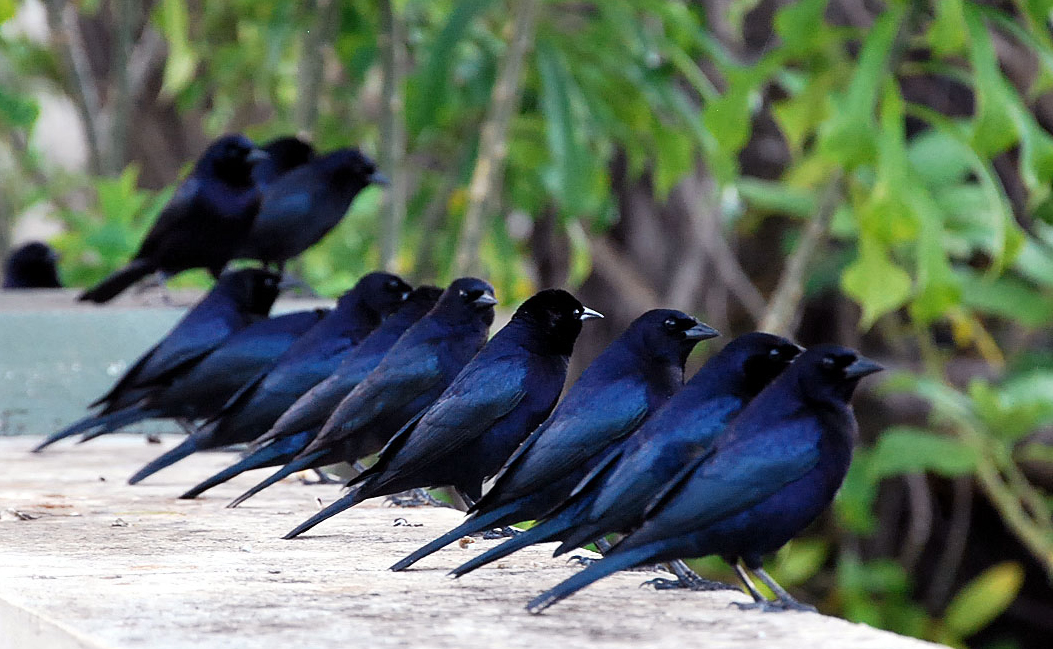
紫輝牛鸝 (Molothrus bonariensis) 也是一種寄生鳥蛋的物種,寄生時可能把原寄主的鳥蛋破壞,而且在南美洲是一種入侵性物種,也有可能會破壞原生物種的鳥蛋。褐黃沼澤雀 (Pseudoleistes virescens)是紫輝牛鸝的常見寄主,這種鳥會把白色光滑的寄生鳥蛋排除,但對於與自身鳥蛋相似,有褐色點的鳥蛋接受度很高,作者群想瞭解這種鳥對於決定寄生鳥蛋的排除或不排除之間的決策,或是是否能夠辨識寄生鳥蛋差異的光譜中,是否存在著某種「開關」?

Fig. 1 實驗中所使用的鳥蛋樣式
a圖上排 純白鳥蛋 (white immaclate, CwI)
中排 藍色有點 (Novel Blue spots, NBS)
下排 自然有點 (cowbird eggs, CwS)
Fig. 2 鳥蛋排除比例
作者群人工製作出幾種實驗樣式:純白 (cowbird immaculate, CwI)、藍色有點 (Novel Blue Spotted, NBS) 與自然有點的鳥蛋 (cowbird spotted, CwS),然後到野外尋找褐黃沼澤雀的巢,以人工寄生的方式把蛋放入鳥巢,測試親鳥對於這些鳥蛋的排除能力。結果顯示無論純白與藍色有點的鳥蛋排除率都很高,而自然有點的鳥蛋排除率較低,這部分顯示自然有點的鳥蛋擬態斑紋是有效果的。然而另一個部分的結果顯示,當自然有點與純白,或與藍色有點的鳥蛋同時放入鳥巢時,這兩種鳥蛋同時會受到高比例的排除,顯示當有非擬態型的鳥蛋混入時,褐黃沼澤雀對於擬態鳥蛋的接受度就降低。

作者群認為他們的結果顯示出鳥類在認知自身鳥蛋上的「閥值」,如果只有擬態型的鳥蛋,此時尚未達到閥值(開關還沒打開),因此褐黃沼澤雀能夠接受不是自己的鳥蛋,但如果把明顯不一樣的鳥蛋置入,此時達到認知閥值(開關打開),就能夠辨識所有不是自己的蛋並且將之排除。這可能也部分解釋為何有的鳥種為何能夠接受,或是無法辨識外來的寄生鳥蛋。
Wrote by Chia-Hsuan Wei
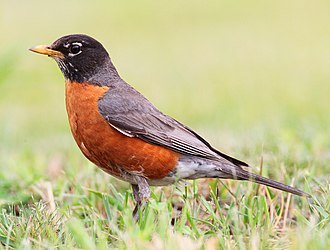
美洲知更鳥 (Turdus migratorius)
photo:
American robin (wiki)
標題:Experimental Shifts in Intraclutch Egg Color Variation Do Not Affect Egg Rejection in a Host of a Non-Egg-Mimetic Avian Brood Parasite

摘要

Avian brood parasites lay their eggs in the nests of other birds, and impose the costs associated with rearing parasitic young onto these hosts.Many hosts of brood parasites defend against parasitism by removing foreign eggs from the nest. In systems where parasitic eggs mimic host eggs in coloration and patterning, extensive intraclutch variation in egg appearances may impair the host’s ability to recognize and reject parasitic eggs, but experimental investigation of this effect has produced conflicting results. The cognitive mechanism by which hosts recognize parasitic eggs may vary across brood parasite hosts, and this may explain variation in experimental outcome across studies investigating egg rejection in hosts of egg-mimicking brood parasites. In contrast, for hosts of non-egg-mimetic parasites, intraclutch egg color variation is not predicted to co-vary with foreign egg rejection, irrespective of cognitive mechanism. Here we tested for effects of intraclutch egg color variation in a host of nonmimetic brood parasite by manipulating egg color in American robins (Turdus migratorius), hosts of brown-headed cowbirds (Molothrus ater).We recorded robins’ behav- ioral responses to simulated cowbird parasitism in nests where color variation was artificially enhanced or reduced. We also quantified egg color variation within and between unmanipu- lated robin clutches as perceived by robins themselves using spectrophotometric measures and avian visual modeling. In unmanipulated nests, egg color varied more between than within robin clutches. As predicted, however, manipulation of color variation did not affect rejection rates. Overall, our results best support the scenario wherein egg rejection is the outcome of selective pressure by a nonmimetic brood parasite, because robins are efficient rejecters of foreign eggs, irrespective of the color variation within their own clutch.


把鳥蛋下在別人家裡,讓其他的親鳥把自己的孩子拉拔長大,將飼養子代的成本轉嫁到其他的物種上,對於寄生者來說是一件省資源的好事,但對於被寄生的寄主來說就沒那麼輕鬆了。因此有些寄生者為了有效率的託孤鳥蛋,發展出能夠將鳥蛋生的跟寄主的蛋一樣,讓寄主分不出來,但也有些寄生者似乎不太在意相似度,採取以量取勝的策略,只要看到巢就到處生,這也造成寄主很容易的就把這些外來的蛋認出,使這次的寄生失敗。有意思的是,似乎不是每種被寄生的鳥都認得出來,或是辨識出來也不排除,即使鳥蛋的樣子非常不相似,這樣的行為可能與被寄生的鳥的認知能力系統差異有關。

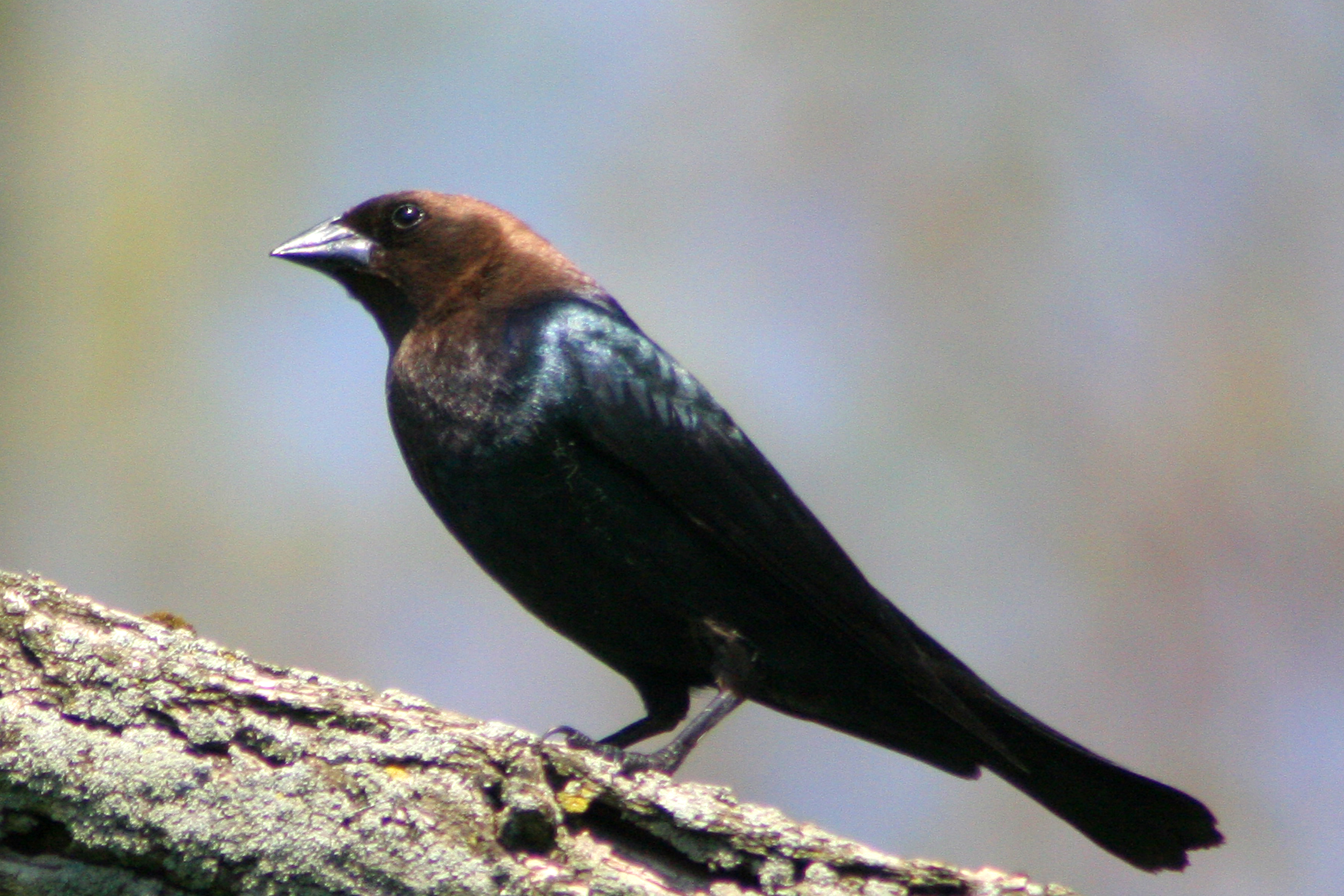
褐頭牛鸝 (Molothrus ater)
photo: Brown-headed cowbird (wiki)
褐頭牛鸝與美洲知更鳥的蛋
photo: Don Johnston
褐頭牛鸝 (Molothrus ater) 就是一種四處到別人家裡生蛋的鳥,而這種鳥的蛋就屬於完全不擬態的鳥蛋。其中的寄主之一,美洲知更鳥 (American robin, Turdus migratorius) 則是能夠高度排除褐頭牛鸝的鳥蛋,有時甚至能達到完全排除。但美國知更鳥的蛋與褐頭牛鸝的蛋差異很大,美國知更鳥之所以能有效率的排除外來的蛋,是因為其認知系統很強大到無論如何都能夠辨識並排除,或是單純的只是因為這顆蛋差異很大很奇怪,因此排除這顆鐵定與我無關的蛋?

Fig. 1 實驗進行所使用的鳥蛋顏色與反射光譜數據
Fig. 2 增加或減少鳥蛋顏色的條件下,知更鳥排除的比例
作者透過行為實驗操作,將褐頭牛鸝的蛋上色成與知更鳥的蛋類似的顏色但深淺不一,將其放入知更鳥的巢中記錄其行為,並且將這些顏色以鳥類的視覺模型檢驗,以推測究竟是認知系統或是視覺差異主導排除外來鳥蛋。結果顯示無論操作的顏色變化,都不會影響知更鳥的鳥蛋排除率,支持知更鳥的認知能夠幫助其排除外來鳥蛋。這個結果也顯示知更鳥的認知系統與寄生鳥蛋在演化上的競爭關係。
Wrote by Chia-Hsuan Wei
Older Posts Home

FB專頁

熱門文章

  • 越紅越凶:草莓箭毒蛙的警戒色除了警告天敵也反應個體侵略性
  • 看起來很警戒,身上的顏色就都很警戒?重新評估北美經典擬態模型的警戒色的例子
  • 放棄身為跳蛛的堅持:除了型態之外,蟻蛛的動作也像螞蟻嗎?

精選文章

貓頭鷹蝶的眼紋真的擬態貓頭鷹的眼睛嗎?

相關網站

  • Heliconius Homepage
    Michel Cast sent me pictures of this nice hybrid specimen from Ceara, Brazil! Thank you Michel and P. Jauffret!
  • 這是什麼啊? 可以吃嗎?
    最近出現一個被狂轉的新聞,大意是說有人為了避免蝸牛被路殺所以在其殼上彩繪,希望這樣就能讓人類注意到蝸牛的存在而不要把牠們踩死。這聽起來好像立意不錯喔? 但就我們研究警戒與擬態的角度來說,我們認為這種作法天真且有些荒謬,為什麼呢? - 在偽裝(camouflage)與警戒(aposematism)形成...
  • WELCOME TO THE BIODIVERSITY LAB! | Biodiversity Lab
  • Kronforst Lab at the University of Chicago
  • mallet lab
  • MimeticButterflies
  • Mathieu Joron - Home
  • Evolution of predator-prey interactions — Bio- ja ympäristötieteiden laitos

文章類型

  • 文章 (Article) 113
  • 擬態環 (mimicry ring) 12
  • 回顧 (review) 10
  • 科普 4
  • 擬態那些事 3
  • 書 (Book) 3
  • 評論 (comment) 1

研究領域

  • 貝氏擬態 (Batesian mimicry) (43)
  • 警戒性 (Aposematism) (40)
  • 穆氏擬態 (Müllerian mimicry) (37)
  • 多態型 (polymorphism) (16)
  • 擬態環 (mimicry ring) (12)
  • 侵略型擬態 (aggressive mimicry) (10)
  • 隱蔽性 (crypsis) (10)
  • 不完美擬態 (imperfect mimicry) (6)
  • 種化 (speciation) (5)
  • 雌性擬態 (female-limited mimicry) (5)
  • 性擇 (sexual selection) (4)
  • 鳥蛋寄生 (egg parasite) (4)
  • 眼斑 (eyespot) (3)
  • 假頭 (false head) (2)
  • 性雙型性 (sexual dimorphism) (2)
  • 擬蟻性 (Myrmecomorphomania) (2)
  • 機動性擬態 (locomotory mimicry) (2)
  • "模糊"型擬態 (satyric mimicry) (1)

研究方式

  • 行為學 (Ethology) (46)
  • 生態 (Ecology) (21)
  • 系統發生學 (phylogenetics) (16)
  • 基因體 (Genomics) (12)
  • 視覺模型 (visual model) (10)
  • 模擬(modelling and simulation) (6)
  • 遺傳學 (genetics) (6)
  • 族群遺傳 (population genetics) (5)
  • 分子生物學 (Molecular biology) (4)
  • 化學生態 (Chemical ecology) (3)
  • 分子鑑定 (molecular identificaiton) (1)
  • 古生物學 (palaeontology) (1)
  • 地理資訊系統 (GIS) (1)
  • 演化發育學 (Evo-Devo) (1)

分類群

Copyright © 2015 擬態生物學. Designed by OddThemes | Distributed By Gooyaabi Templates