• 首頁 (Home)
  • 理論介紹 (Theories)
    • 警戒色
    • 貝氏擬態 (Batesian mimicry)
    • 穆氏擬態 (Mullerian mimicry)
    • 副貝氏擬態 (quasi-Batesian mimicry)
  • 研究團隊 (research teams)
    • Candy Rowe
    • James Mallet
    • John skelhorn
  • 文獻蒐集 (Bibliography)
    • 2010-
      • 2016
      • 2015
      • 2014
      • 2013
      • 2012
      • 2011
      • 2010
    • 2000-2009
      • 2009
      • 2008
      • 2007
      • 2006
      • 2005
      • 2004
      • 2003
      • 2002
      • 2001
      • 2000
    • More than 650 references on mimicry

擬態生物學

警戒色與擬態的介紹團隊,學術文章導讀,歷史背景,物種,與生物多樣性


當在野外看到看起來很醒目的生物,抓起來又臭臭或硬硬的時候,我們管這個情況叫警戒色,然後推想捕食者看到這樣的生物時會「被教育」不能吃。的確,許多的研究證據顯示就是科學家想的這樣,但問題在於捕食者是怎麼認出這不能吃呢?

是獵物的顏色?輪廓?斑點?紋路形狀?

由科博館、中興大學、聖地牙哥州立大學的聯合團隊,以綠島的球背象鼻蟲為材料的研究帶給我們一個思考方向。球背象鼻蟲有著眾所周知的堅硬翅鞘,這在先前的研究證據中已經支持這可以成為有效的防禦機制。他們藉由把真正的象鼻蟲翅鞘上的花紋重新繪製,做出各種不同顏色與樣式,測試捕食者對花紋的反應。另一部份實驗是將象鼻蟲的翅鞘與蟋蟀的前翅交換,以測試外觀對捕食者的影響。以上所做的操作中,捕食者是以同樣來自綠島的攀蜥擔任這個角色。

結果有點出乎意料。他們的統計數據顯示捕食者對表面的任何的斑紋變化並沒有太顯著的偏好或拒絕,反而牠比較在意的是外觀,也就是身體的輪廓形狀等,這似乎才是捕食者能有效辨認象鼻蟲的關鍵。
這就很有意思了,有一些天牛擬態共棲的球背象鼻蟲,就像蘭嶼的擬硬象天牛與斷紋球背象鼻蟲,這兩者間的擬態關係似乎廣泛出現在東南亞諸島。如果捕食者辨識的是球背的身體的輪廓形狀,那麼天牛應該非常容易遭到攻擊,而擬態關係也就不容易存在,但這與目前的觀察不太相符。可能的原因很多,如不同的捕食者看的是不同的特徵,例如本文中蜥蜴看的是外觀,但顏色可能是給鳥類捕食者看,因此也不能說這些顏色完全沒發揮作用。

最後,很明顯的就是,這個需要更多的研究來討論囉。

Lee CY, Yo SP, Clark RW, Hsu JY, Liao CP, Tseng HY & Huang WS. 2018. The role of different visual characters of weevils signalling aposematism to sympatric lizard predators. Journal of Zoology. in press


Wrote by Chia-Hsuan Wei


透翅蛾雖然不是那麼容易見到,但其外觀與膜翅目(主要是胡蜂與蜜蜂)的相似性實在令人難以忽略。即使人類的視角下,其與蜂類的擬態關係幾乎不會有疑問,但有沒有其它的證據能支持這樣的擬態關係呢?比如,從行為是否相似的觀點下手?

於是這就是本文的中心想法,也就是擬態蜜蜂/胡蜂的蛾,飛行行為應該會分別與蜜蜂與胡蜂相似。研究者比較了擬態蜜蜂的透翅蛾:Heterosphecia pahangensis、Aschistophleps argentifasciata 與 Pyrophleps cruentata,與蜜蜂 Apis andreniformis、Tetragonilla collina 與 T. atripes;擬態胡蜂的蛾 Pyrophleps sp.,與胡蜂 Tachysphex sp.。對於這些標的,研究者錄下牠們的飛行影片,分析飛行速度、懸飛最長時間、直線性、彎曲性、前進方向的自迴歸(包含波長與振幅)與方向改變的平均值與標準差,來了解飛行行為的差異。

透過主成分分析(PCA)的結果顯示,擬態蜜蜂與胡蜂的類群間飛行行為有明顯的差異,但擬態同樣對象的類群內則無差異,這就代表透翅蛾與其擬態對象的飛行模式是相似的。


ps. 雖然覺得他們挑得透翅蛾與蜜蜂/胡蜂間看起來真的不太像,不過還是可以看出擬態對象與行為的差異是滿有趣的。

Volponi MAS, McLean DJ, Volponi P & Dudley R. 2018. Moving like a model: mimicry of hymenopteran flight trajectories by clearwing moths of Southeast Asian rainforests. Biology Letters 14: 20180152.
Wrote by Chia-Hsuan Wei
弓拱獵蛛 (Evarcha arcuata)
photo from wikipedia


標題:How variation in prey aposematic signals affects avoidance learning, generalization and memory of a salticid spider

摘要

Most studies of aposematism focus on the effect of warning signals on vertebrate predators, especially birds. In our experiments, we used jumping spiders, Evarcha arcuata (Araneae: Salticidae) as predators, and larvae of three colour forms (red, white, yellow) of an unpalatable firebug, Pyrrhocoris apterus (Heteroptera: Pyrrhocoridae) as prey. The experiments were divided into four successive steps, focusing on different aspects of predatore-prey interaction. (1) When presented with a firebug for the first time, the spiders captured the white, least conspicuous colour form more often than the other two. No differences in the attack latencies were observed between the colour forms. (2) In the avoidance-learning test, the spiders were offered in succession five firebugs of one of the three colour forms. The attack and capture rate decreased in all colour forms, more notably in the red, most conspicuous form. (3) After five presentations of the same prey, the spiders were presented with a different firebug colour form. The results of the generalization process were asymmetric: spiders' attack rate increased when the red prey was followed by the yellow or white one, but decreased when the red form was presented after the other colour forms. (4) Spiders attacked the same prey more often the next day, but the attacks were seldom fatal. Similarly to the initial reaction, spiders captured the white firebugs more often. Our results show that for E. arcuata, the red coloration can represent an effective aposematic signal. Red prey coloration decreased the attack rate during the avoidance-learning process and favoured the prey in generalization between different colour forms. Yellow coloration was moderately effective against E. arcuata, whereas white coloration was the least effective because of low innate bias against this signal.

無翅紅蝽 (Pyrrhocoris apterus) 紅色型

以行為實驗的設計捕食者對警戒色與擬態選擇的研究方法,是一個最直接了解在生態系中這些機制如何運作的方法。大多數的研究主要是以鳥類為實驗進行時的捕食者,是因為鳥類看起來對這類的獵物有明顯選擇,也被認為是推動擬態與警戒色的主要角色。然而,考慮到現實中有各式各樣的掠食生物,科學家也開始思考是否有能用其他動物來測試的可能性?

跳蛛在自然界是一個主要的捕食者,有些蛾的翅紋也與跳蛛擬態有關,但有關跳蛛的相關行為實驗卻很少。這個研究選擇以弓拱獵蛛 (Evarcha arcuata) 做為捕食者,以無翅紅蝽 (Pyrrhocoris apterus) 的三種色型-紅色、黃色與白色進行實驗。實驗分為四個部分 (1) 將跳蛛分為四組,分別是紅色、黃色、白色與果蠅做為獵物,結果發現對白色的捕捉率最高,但對所有色型的反該時間無顯著延遲; (2) 學習迴避測試:將其中一個色型的紅蝽連續給予同一隻跳蛛五隻,結果發現所有色型的捕捉率都逐漸下降,特別是最明顯的紅色;(3) 在給予五隻之後,給予不同色型,結果有趣的是如果一開始給的是紅色而後給白/黃色,跳蛛的攻擊率會上升,但如果是反過來的話,攻擊率會下降;(4) 跳蛛隔天對同樣獵物的攻擊較多,也同樣的對白色的獵物攻擊較多。這個結果顯示紅色對跳蛛而言是個有效的警戒色,黃色次之,白色效果最低。

在給予五隻紅蝽的測試結果:攻擊率與捕捉率
三角=紅色,圓型=黃色,方型=白色,菱型=果蠅

前五個給予紅-白與白-紅處理的結果

前五個給予紅-黃與黃-紅處理的結果
給予後三次與隔日的處理結果

這個研究的邏輯看似十分簡單,厲害的是他們的重覆數極多,每組的個體數都有25隻,加上每個子處理組,總共有200隻跳蛛。無論是要採200隻或是養200隻,若是考慮折損率,以跳蛛來說都是非輕易能達成的數量。另外,紅蝽的變異色也可能不容易取得,實際上來說這是很不容易的一個數量。而這類的行為研究也建議有這樣的重覆數才能有足夠的可信度。


Wrote by Chia-Hsuan Wei
褐刺嘴鶯 (Acanthiza pusilla)
photo: Brown thornibill (wiki)
標題:Crying wolf to a predator: deceptive vocal mimicry by a bird protecting young

摘要

Animals often mimic dangerous or toxic species to deter predators; however, mimicry of such species may not always be possible and mimicry of benign species seems unlikely to confer anti-predator benefits.We reveal a system in which a bird mimics the alarm calls of harmless species to fool a predator 40 times its size and protect its offspring against attack. Our experiments revealed that brown thornbills (Acanthiza pusilla) mimic a chorus of other species’ aerial alarm calls, a cue of an Accipiter hawk in flight, when predators attack their nest. The absence of any flying predators in this context implies that these alarms convey deceptive information about the type of danger present. Experiments on the primary nest predators of thornbills, pied currawongs (Strepera graculina), revealed that the predators treat these alarms as if they themselves are threatened by flying hawks, either by scanning the sky for danger or fleeing, confirming a deceptive function. In turn, these distractions delay attack and provide thornbill nestlings with an opportunity to escape. This sophisticated defence strategy exploits the complex web of interactions among multiple species across several trophic levels, and in particular exploits a predator’s ability to eavesdrop on and respond appropriately to heterospecific alarm calls. Our findings demonstrate that prey can fool predators by deceptively mimicking alarm calls of harmless species, suggesting that defensive mimicry could be more widespread because of indirect effects on predators within a web of eavesdropping.

這是個有意思的故事,述說如何以小蝦米對大鯨魚。

思考一下,一個體型較小的生物如何對抗捕食者?要不是逃走,要不是對抗,但如何對抗是個很大的問題,是要直接衝上去打一架?打不贏怎麼辦?或有其他的方法?
斑噪鍾雀 (Strepera graculina)
photo: Pied currawong (wiki)
黃翅澳蜜鳥 (Phylidonyris novaehollandiae)
photo: New Holland Honeyeater (wiki)

褐刺嘴鶯 (brown thornbills, Acanthiza pusilla) 是一種分佈於澳洲的小型鳥類 (約6克重),而大褐刺嘴鶯40倍的斑噪鍾雀(pied currawongs, Strepera graculina)會接近他們的巢攻擊,此時這種鳥會發出明顯是擬態黃翅澳蜜鳥 (New Holland honeyeater, Phylidonyris novaehollandiae)的警戒聲欺騙斑噪鍾雀以躲避攻擊,但實際上是如何運作的還是個謎。

Fig. 1 涉入物種間的生態闗係與警戒音
Fig. 2 不同處理下發出警戒音的次數
作者群有個複雜的假設:褐刺嘴鶯的警戒聲擬態是為了告訴捕食者有其他更高階的捕食者來了。作者群的實設有三個處理:以共棲的深紅玫瑰鸚鵡 (crimson rosella, Platycercus elegans) 做為無威脅的控制組、靠近巢的斑噪鍾雀為潛在威脅組,攻擊中的捕食者為立即威脅組,分別分析其發出的警戒音。研究結果顯示褐刺嘴鶯能發出類似黃翅澳蜜鳥頻率的警戒音,有效的欺騙捕食者(斑噪鍾雀),而這個警戒音是黃翅澳蜜鳥用以通知同類有空中捕食者。

總結這個故事其實是這樣:褐刺嘴鶯受到威脅後,發出黃翅澳蜜鳥的警戒音,恫嚇斑噪鍾雀「有捕食者在後面」,降低其攻擊的意願,此時褐刺嘴鶯藉著空檔逃走,就像「狼來了」以一樣。鳥類聲音的擬態牽涉高度認知科學。原使用者的警戒音要能夠忠誠反應其訊號(高階捕食者來了);捕食者要知道這個訊號代表的意義,;擬態者要認出捕食者,還要能選擇正確的警戒音(選錯就GG),這與被動的接受天擇的擬態形式以及機制的來源是有所差異。

Wrote by Chia-Hsuan Wei
Fig. 1 織布鳥與寡婦鳥的親緣關係。圖中框起來的就是本文主角-雌性寄生織布鳥。在其上的是擬態的模型,紅寡婦鳥(雄性紅色那隻)。
標題:Evidence for aggressive mimicry in an adult brood parasitic bird, and generalized defences in its host.

摘要

Mimicry of a harmless model (aggressive mimicry) is used by egg, chick and fledgling brood parasites that resemble the host’s own eggs, chicks and fledglings. However, aggressive mimicry may also evolve in adult brood parasites, to avoid attack from hosts and/or manipulate their perception of parasitism risk. We tested the hypothesis that female cuckoo finches (Anomalospiza imberbis) are aggressive mimics of female Euplectes weavers, such as the harmless, abundant and sympatric southern red bishop (Euplectes orix). We show that female cuckoo finch plumage colour and pattern more closely resembled those of Euplectes weavers (putative models) than Vidua finches (closest relatives); that their tawny-flanked prinia (Prinia subflava) hosts were equally aggressive towards female cuckoo finches and southern red bishops, and more aggressive to both than to their male counterparts; and that prinias were equally likely to reject an egg after seeing a female cuckoo finch or bishop, and more likely to do so than after seeing a male bishop near their nest. This is, to our knowledge, the first quantitative evidence for aggressive mimicry in an adult bird, and suggests that host–parasite coevolution can select for aggressive mimicry by avian brood parasites, and counter-defences by hosts, at all stages of the reproductive cycle.

侵略型擬態 (aggressive mimicry) 的型式有很多種,最常見的是醫生魚與假醫生魚的例子,鳥類的話就是杜鵑將蛋寄生在別種鳥類的巢中。以鳥來說,要將蛋成功寄生需要付出很大的耗費,通常是鳥蛋的樣式或是雛鳥的乞食標記,透過侵略型擬態的方式達成寄生的目的。除了蛋與雛鳥,成體是否也存在侵略型擬態呢?

原生於非洲的寄生織布鳥 (cuckoo finch, Anomalospiza imberbis) 是會將鳥蛋寄生在同屬於非洲的褐頭鷦鶯 (tawny-flanked prinia, Prinia subflava) 的巢中,而寄生織布鳥的的雌性外貌十分類似分佈於當地非寄生姓的紅寡婦鳥 (southern red bishop, Euplectes orix)。基於物種間不太可能沒來由的具有高度相似性,而且當分佈又重疊時,自然學家心中的一些疑問就產生了:難道雌性織布鳥藉由擬態雌性紅寡婦鳥來接近褐頭鷦鶯的巢,避免被趕走,增加寄生鳥蛋的成功率嗎?

作者群提出幾個假設。首先,如果織布鳥是擬態者,那麼牠們的數量應該要低於其擬態者;其次,雌性織布鳥的外貌相似的來源是是因為擬態或是系統發生上的限制?如果是因為前者,那麼應該跟紅寡婦鳥的樣子比較接近,如果是因為後者,那麼應該會跟姊妹群的樣子比較接近;其三,如果褐頭鷦鶯無法分辨雌性織布鳥與雌性紅寡婦鳥,並且認為雄性織布鳥是種威脅,那麼將兩性的織布鳥與紅寡婦鳥同時呈現在褐頭鷦鶯面前時,應該只會排除雄性織布鳥,其他三種則不會有強烈的反應;最後,如果褐頭鷦鶯發現雌性的織布鳥擬態時,是否會回頭將外來的鳥蛋排除?

Fig. 2 織布鳥、紅寡婦鳥屬與姊妹群維達鳥屬的分佈與顏色的差異。

Fig. 3 褐頭鷦鶯看到織布鳥後的警戒音與排除鳥蛋的行為結果
作者群分別以光學模型、系統發生學,與行為學的方式來驗證這些假設。結果顯示雌性織布鳥的數量遠少於紅寡婦鳥以及其姊妹群,羽毛的顏色也比較接近雌性紅寡婦鳥,支持雌性織布鳥外貌的擬態。行為的結果顯示比起對雌性織布鳥與紅寡婦鳥,對兩種鳥的雄性排除性更高,也就代表褐頭鷦鶯無從分辨雌性織布鳥與紅寡婦鳥。最後,當褐頭鷦鶯看到雌性織布鳥與紅寡婦鳥後,排除鳥蛋的行為比看到雄性紅寡婦鳥更加明顯。

或許是我對於鳥類的行為太不瞭解,但有意思的是整個實驗做完後發現雌織布鳥的擬態似乎至少在某些地方是無助於鳥蛋寄生的成功率,甚至可能因為雌紅寡婦鳥的關係增加被排除的風險,這還能算是侵略型擬態嗎?或是因為實驗設計的關係呢?或是擬態後的好處不在此?

希望能釣到比較瞭解這些鳥的故事的朋友,出來說說不同面向的看法,讓我們更瞭解這個文章的全貌。
Wrote by Chia-Hsuan Wei
褐黃沼澤雀 (Pseudoleistes virescens)
photo: PECHO AMARILLO Pseudoleistes virescens (wikimedia)

標題:Brown-and-yellow marshbirds reduce their acceptance threshold of mimetic brood parasite eggs in the presence of non-mimetic eggs

摘要

The recognition and subsequent rejection of brood parasite eggs is one of the most commonly observed defensive behaviors of the host. The brown-and-yellow marshbird (Pseudoleistes virescens) is a common host of the shiny cowbird (Molothrus bonariensis). This host rec- ognizes and rejects immaculate white eggs of the cowbird, but accepts this bird’s spotted eggs. We assessed the acceptance threshold hypothesis which proposes that par- asite egg recognition is context-dependent. We experimentally parasitized host nests with a spotted cowbird egg and simultaneously added: (1) one novel egg with spots similar to those of a cowbird egg but on a blue background or (2) one immaculate white cowbird egg. In this setting, 78 % of the novel blue egg with spots and 77 % of the cowbird’s immaculate white eggs were quickly recognized and rejected. The rejection frequency of spotted cowbird eggs was also high (60 %) and was not related to the type of egg which had been added to the host nest together with the spotted cowbird egg. This rejection frequency of spotted cowbird eggs is higher than the 21 % that we previously found in a similar experimental setting but in which the spotted cowbird egg was added singly to the host nest. These results support the acceptance threshold hypothesis that predicts an adaptive modulation of the antiparasite defence when the perceived risk of parasitism is high.

鳥蛋寄生這個現象就是為了要把育幼的成本轉嫁到另一種鳥的身上,但是被寄生的那種鳥不會傻傻的養育不是自己的小鳥,也會想盡辦法把不屬於自己的小鳥排除,在演化上就形成十分劇烈的軍備競爭 (arm race)。但也奇怪的是,如果被寄生的鳥能有效的排除鳥蛋,這種寄生策略就難以形成,也就是還是有被寄生的鳥無法分辨外來的鳥蛋,是因為認知能力不足,鳥蛋擬態成功,或是有其他某些因素?

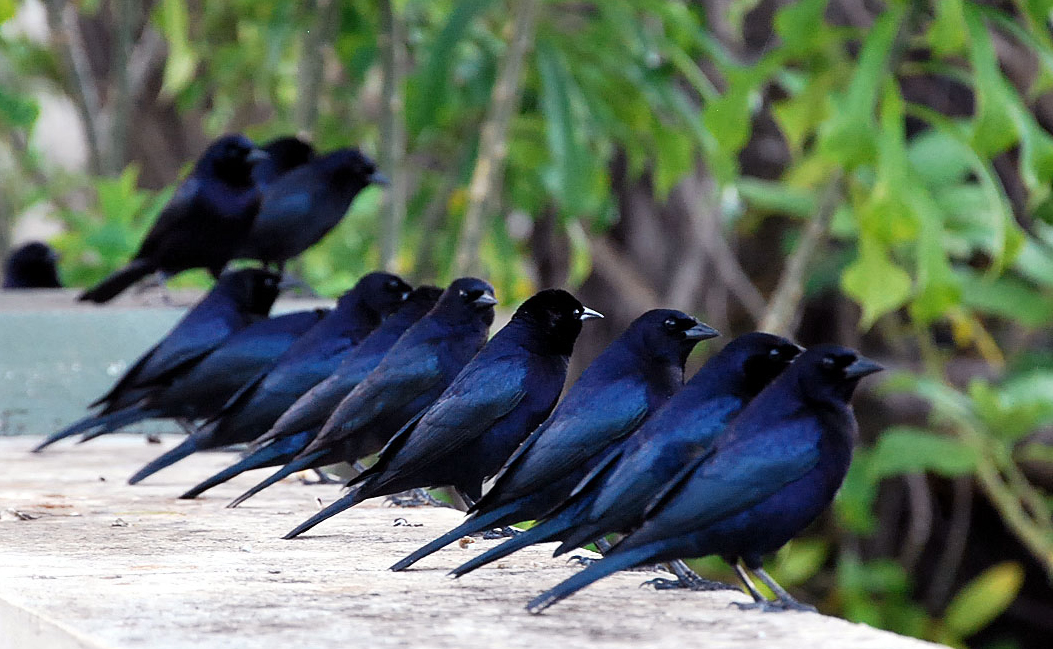
紫輝牛鸝 (Molothrus bonariensis)
photo: Shiny cowbird (wiki)

紫輝牛鸝 (Molothrus bonariensis) 也是一種寄生鳥蛋的物種,寄生時可能把原寄主的鳥蛋破壞,而且在南美洲是一種入侵性物種,也有可能會破壞原生物種的鳥蛋。褐黃沼澤雀 (Pseudoleistes virescens)是紫輝牛鸝的常見寄主,這種鳥會把白色光滑的寄生鳥蛋排除,但對於與自身鳥蛋相似,有褐色點的鳥蛋接受度很高,作者群想瞭解這種鳥對於決定寄生鳥蛋的排除或不排除之間的決策,或是是否能夠辨識寄生鳥蛋差異的光譜中,是否存在著某種「開關」?

Fig. 1 實驗中所使用的鳥蛋樣式
a圖上排 純白鳥蛋 (white immaclate, CwI)
中排 藍色有點 (Novel Blue spots, NBS)
下排 自然有點 (cowbird eggs, CwS)
Fig. 2 鳥蛋排除比例
作者群人工製作出幾種實驗樣式:純白 (cowbird immaculate, CwI)、藍色有點 (Novel Blue Spotted, NBS) 與自然有點的鳥蛋 (cowbird spotted, CwS),然後到野外尋找褐黃沼澤雀的巢,以人工寄生的方式把蛋放入鳥巢,測試親鳥對於這些鳥蛋的排除能力。結果顯示無論純白與藍色有點的鳥蛋排除率都很高,而自然有點的鳥蛋排除率較低,這部分顯示自然有點的鳥蛋擬態斑紋是有效果的。然而另一個部分的結果顯示,當自然有點與純白,或與藍色有點的鳥蛋同時放入鳥巢時,這兩種鳥蛋同時會受到高比例的排除,顯示當有非擬態型的鳥蛋混入時,褐黃沼澤雀對於擬態鳥蛋的接受度就降低。

作者群認為他們的結果顯示出鳥類在認知自身鳥蛋上的「閥值」,如果只有擬態型的鳥蛋,此時尚未達到閥值(開關還沒打開),因此褐黃沼澤雀能夠接受不是自己的鳥蛋,但如果把明顯不一樣的鳥蛋置入,此時達到認知閥值(開關打開),就能夠辨識所有不是自己的蛋並且將之排除。這可能也部分解釋為何有的鳥種為何能夠接受,或是無法辨識外來的寄生鳥蛋。
Wrote by Chia-Hsuan Wei
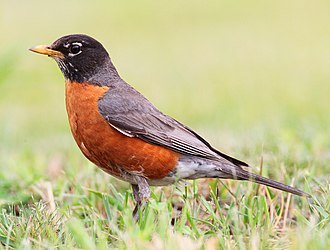
美洲知更鳥 (Turdus migratorius)
photo:
American robin (wiki)
標題:Experimental Shifts in Intraclutch Egg Color Variation Do Not Affect Egg Rejection in a Host of a Non-Egg-Mimetic Avian Brood Parasite

摘要

Avian brood parasites lay their eggs in the nests of other birds, and impose the costs associated with rearing parasitic young onto these hosts.Many hosts of brood parasites defend against parasitism by removing foreign eggs from the nest. In systems where parasitic eggs mimic host eggs in coloration and patterning, extensive intraclutch variation in egg appearances may impair the host’s ability to recognize and reject parasitic eggs, but experimental investigation of this effect has produced conflicting results. The cognitive mechanism by which hosts recognize parasitic eggs may vary across brood parasite hosts, and this may explain variation in experimental outcome across studies investigating egg rejection in hosts of egg-mimicking brood parasites. In contrast, for hosts of non-egg-mimetic parasites, intraclutch egg color variation is not predicted to co-vary with foreign egg rejection, irrespective of cognitive mechanism. Here we tested for effects of intraclutch egg color variation in a host of nonmimetic brood parasite by manipulating egg color in American robins (Turdus migratorius), hosts of brown-headed cowbirds (Molothrus ater).We recorded robins’ behav- ioral responses to simulated cowbird parasitism in nests where color variation was artificially enhanced or reduced. We also quantified egg color variation within and between unmanipu- lated robin clutches as perceived by robins themselves using spectrophotometric measures and avian visual modeling. In unmanipulated nests, egg color varied more between than within robin clutches. As predicted, however, manipulation of color variation did not affect rejection rates. Overall, our results best support the scenario wherein egg rejection is the outcome of selective pressure by a nonmimetic brood parasite, because robins are efficient rejecters of foreign eggs, irrespective of the color variation within their own clutch.


把鳥蛋下在別人家裡,讓其他的親鳥把自己的孩子拉拔長大,將飼養子代的成本轉嫁到其他的物種上,對於寄生者來說是一件省資源的好事,但對於被寄生的寄主來說就沒那麼輕鬆了。因此有些寄生者為了有效率的託孤鳥蛋,發展出能夠將鳥蛋生的跟寄主的蛋一樣,讓寄主分不出來,但也有些寄生者似乎不太在意相似度,採取以量取勝的策略,只要看到巢就到處生,這也造成寄主很容易的就把這些外來的蛋認出,使這次的寄生失敗。有意思的是,似乎不是每種被寄生的鳥都認得出來,或是辨識出來也不排除,即使鳥蛋的樣子非常不相似,這樣的行為可能與被寄生的鳥的認知能力系統差異有關。

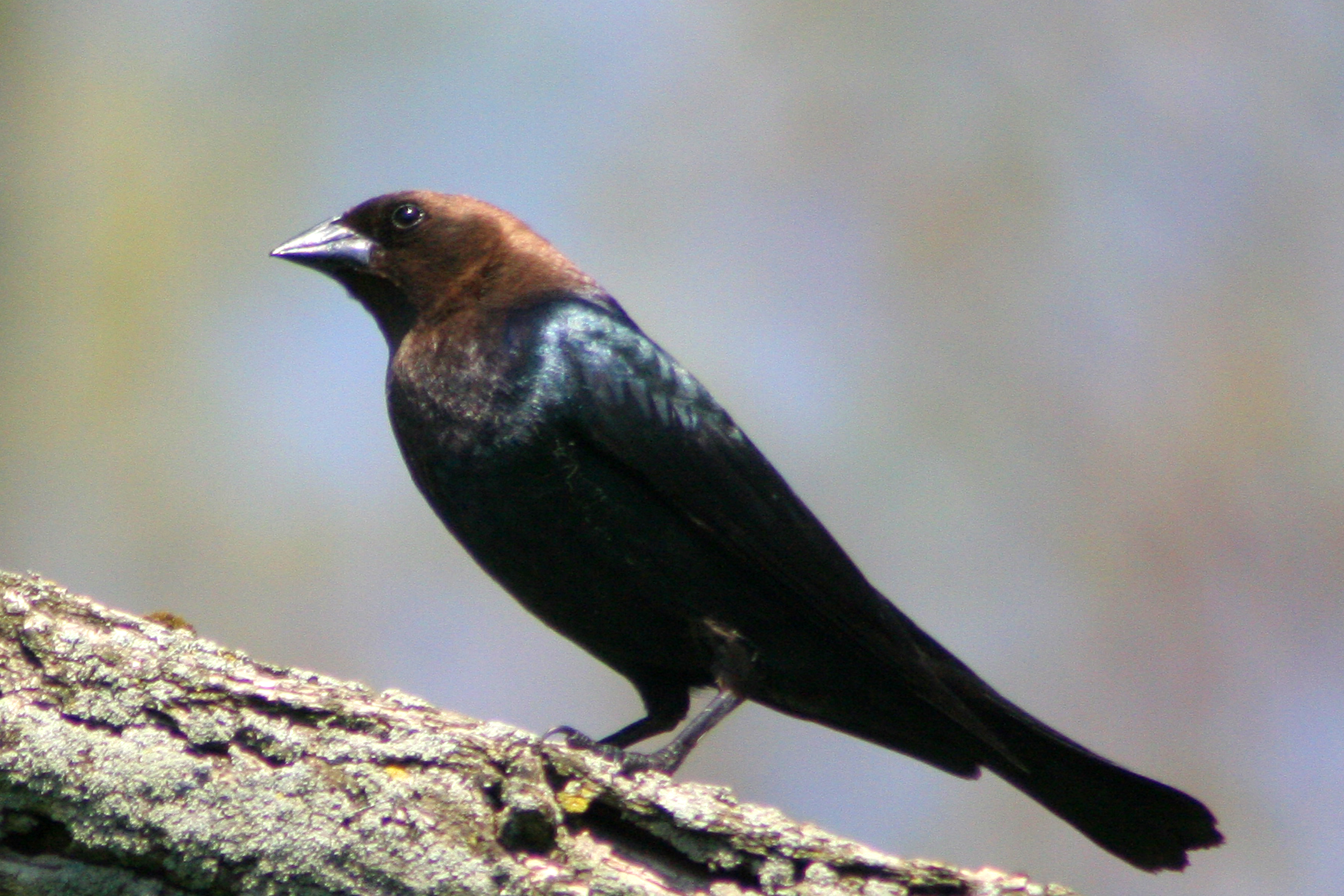
褐頭牛鸝 (Molothrus ater)
photo: Brown-headed cowbird (wiki)
褐頭牛鸝與美洲知更鳥的蛋
photo: Don Johnston
褐頭牛鸝 (Molothrus ater) 就是一種四處到別人家裡生蛋的鳥,而這種鳥的蛋就屬於完全不擬態的鳥蛋。其中的寄主之一,美洲知更鳥 (American robin, Turdus migratorius) 則是能夠高度排除褐頭牛鸝的鳥蛋,有時甚至能達到完全排除。但美國知更鳥的蛋與褐頭牛鸝的蛋差異很大,美國知更鳥之所以能有效率的排除外來的蛋,是因為其認知系統很強大到無論如何都能夠辨識並排除,或是單純的只是因為這顆蛋差異很大很奇怪,因此排除這顆鐵定與我無關的蛋?

Fig. 1 實驗進行所使用的鳥蛋顏色與反射光譜數據
Fig. 2 增加或減少鳥蛋顏色的條件下,知更鳥排除的比例
作者透過行為實驗操作,將褐頭牛鸝的蛋上色成與知更鳥的蛋類似的顏色但深淺不一,將其放入知更鳥的巢中記錄其行為,並且將這些顏色以鳥類的視覺模型檢驗,以推測究竟是認知系統或是視覺差異主導排除外來鳥蛋。結果顯示無論操作的顏色變化,都不會影響知更鳥的鳥蛋排除率,支持知更鳥的認知能夠幫助其排除外來鳥蛋。這個結果也顯示知更鳥的認知系統與寄生鳥蛋在演化上的競爭關係。
Wrote by Chia-Hsuan Wei
Fig. 1 文中的燈蛾與苔蛾的發音結構型態與其發音頻率
標題:Acoustic Aposematism and Evasive Action in Select Chemically Defended Arctiine (Lepidoptera: Erebidae) Species: Nonchalant or Not?

摘要

Tiger moths (Erebidae: Arctiinae) have experienced intense selective pressure from echolo- cating, insectivorous bats for over 65 million years. One outcome has been the evolution of acoustic signals that advertise the presence of toxins sequestered from the moths’ larval host plants, i.e. acoustic aposematism. Little is known about the effectiveness of tiger moth anti-bat sounds in their natural environments. Weused multiple infrared cameras to recon- struct bat-moth interactions in three-dimensional (3-D) space to examine how functional sound-producing organs called tymbals affect predation of two chemically defended tiger moth species: Pygarctia roseicapitis (Arctiini) and Cisthene martini (Lithosiini). P. roseicapi- tis and C. martini with intact tymbals were 1.8 and 1.6 times less likely to be captured by bats relative to those rendered silent. 3-D flight path and acoustic analyses indicated that bats actively avoided capturing sound-producing moths. Clicking behavior differed between the two tiger moth species, with P. roseicapitis responding in an earlier phase of bat attack. Evasive flight behavior in response to bat attacks was markedly different between the two tiger moth species. P. roseicapitis frequently paired evasive dives with aposematic sound production. C. martini were considerably more nonchalant and employed evasion in fewer interactions. Our results show that acoustic aposematism is effective at deterring bat preda- tion in a natural context and that this strategy is likely to be the ancestral function of tymbal organs within the Arctiinae.

很多夜行性的鱗翅目跟日行性的一樣,有紅黑黃相間看起來顯眼的警戒色,還有抓到後會釋放出難聞氣味或液體的化學防禦,但奇怪的概念衝突在於很多捕食鱗翅目的捕食者不是用視覺偵測(蝙蝠、蜘蛛),用視覺偵測的捕食者不吃鱗翅目(貓頭鷹),所以這些警戒性到底在夜間如何作用,到目前還沒有個很適合的理論,但是如果除了視覺之外,還有其他的方式能夠連結化學防禦,達到如視覺般有警戒性效果的方法嗎?

夜間如果不是用看的,那就只能用聽的,小型昆蟲的主要捕食者之一就是蝙蝠,透過超音波來搜尋獵物,而某些夜蛾能夠發出與蝙蝠相似的頻率的聲音來迷惑捕食者,或是偵測到來自捕食者的超音波立刻停止飛行掉落到地面,但是這些夜蛾沒有明顯的化學防禦,這些行為不被認為與警戒性有關聯,可是某些鱗翅目物種具有化學防禦的物種就是也會伴隨某些發聲行為,是否與警戒性有關係呢?

Fig. 8 蝙蝠遇到發出警戒音個體時的行為假設
作者群利用會發音的燈蛾,Pygarctia roseicapitis,與苔蛾,Cisthene martini 來討論這個現象。燈蛾與苔蛾都屬於燈蛾族 (Arctiini),一般認為這群蛾類會在體內累積有毒物質,捕食者吃到會吐掉,而這些物質有時也會用來做為吸引異性的費洛蒙。作者群想到,這兩種蛾的發音顯然不同於上面提到的夜蛾,如果不是為了迷惑捕食者,發音反而可能會吸引捕食者,但如果結合化學防禦的話,這有沒有可能是一種主動告訴捕食者「我不好吃」的訊號?

Fig. 2 蝙蝠遇到三種不同處理個體的接觸頻率與行為。藍色為不捕捉,橘色為捕捉但吐掉,灰色為吃掉。
Fig. 6 兩種蛾與到蝙蝠的飛行軌跡分析
作者群以遠紅外線的攝影機錄製燈蛾與苔蛾接觸蝙蝠時的3D立體軌跡,以及發音行為在這兩者間的交互作用中所扮演的角色。作者將這些蛾做了三種處理:保留發音結構 (Tymbaled, T+)、移除發音結構 (Ablated, T-)與只把發音結構周圍的鱗片移除做為控制組 (Sham, S)。結果顯示這兩種蛾在蝙蝠靠近時的發音頻率與模式,都與蝙蝠不在附近的發音有所差異。3D軌跡的結果顯示,當蝙蝠聽到這些發音後,明顯產生避免捕食這些蛾類的行為。這兩種蛾的發音行為也有所差異:燈蛾在較遠的距離偵測到蝙蝠後,就開始改變飛行行為(如夜蛾般掉落),並且產生警戒音,而苔蛾則保持繼續飛行但改變方向,採取一種默默離開以避免接觸的模式。

這個結果支持除了被動的發送視覺訊號外,在夜色茫茫星月無光看不見的情況下,主動發出聲音警告捕食者可能是更有效率的作法,而躲避蝙蝠發音的行為也被認為是燈蛾亞科的發音器最原本的作用,代表為了蝙蝠可能是推動燈蛾亞科演化出發音結構的最大動力。相對於視覺,聲學的警戒性也提供未來探討夜行性物種的防禦機制時的新方向。
Wrote by Chia-Hsuan Wei
photo: Chia-Hsuan Wei
標題:Revealed by conspicuousness: distractive markings reduce camouflage.

摘要

Animal camouflage is a textbook example of natural selection. Despite substantial progress, one historical theory remains controversial: that conspicuous “distractive” markings draw predator attention away from the prey outline, preventing detection. Here, we present evidence from 4 experiments to resolve this controversy. In field experiments, we measured bird predation on artificial cryptic prey that were either unmarked or had distractive markings of various attributes (number, color, and location). Prey with 3 high-contrast distractive markings, and with markings located away from the body outline, suffered reduced survival compared with unmarked controls or prey with low-contrast markings. There was no effect of small single markings with different colors on the survival of targets. In 2 computer-based experiments with human subjects searching for hidden targets, distractive markings of various types (number, size, and location) reduced detection times compared with controls. This effect was greatest for targets that had large or 3 markings. In addition, small and centrally placed markings facilitated faster learning. Therefore, these 2 experimental approaches show that distractive markings are detrimental to camouflage, both facilitating initial detection and increasing the speed of predator learning. Our experiments also suggest that learning of camouflaged prey is dependent on the type of camouflage present. Contrary to current and historical discussion, conspicuous markings are more likely to impair camouflage than enhance it, presenting important implications for the optimization of prey coloration in general.

我們在野外觀察的時候,會發現某些生物,譬如說尺蛾,有些看起來灰灰土土的,我們會覺得那可能是隱蔽性,有些灰灰土土的顏色上多了一些條紋,或在中室多了幾個斑點,我們會覺得這是為了讓自身的輪廓不那麼明顯。

真的是這樣嗎?

相對於警戒性與擬態這種彰顯自身警告捕食者的方式,另一個不要被捕食的方法概念很簡單:不要被捕食者看到就好了(不做死就不會死),自然不會有被吃掉的問題,因此很多物種天擇後的結果,就是讓看起來不顯眼的個體留下來,成為現在我們認為是具有隱蔽性的顏色或行為,像是背景的契合度、身體某些部分與環境光影的吻合或是移動時斑紋產生的炫目行為,都被當成是隱蔽性的一種模式。但有爭議的部分是,有些看起來是隱蔽色的物種身上會產生某些花紋,早期的自然學家提出一假設,認為這些花紋應該是為了破壞身體的輪廓,讓捕食者不那麼輕易的認出個體所發展出來,但有另一個問題在於實際上看起來這些花紋可能破壞與環境的契合度,反而可能吸引注意力。

Fig. 1 用來測試野外顏色影響的三角形人工假餌
Fig. 2 測試斑點位置與對比的假餌與結果。
為了嘗試解決這個理論上的衝突,作者群以兩個部分測試,一個是用人工印製的假餌,放到自然的環境中觀察被攻擊的程度,另一個是以人類為實驗對象,讓受試者看電腦呈現的影像並做紀錄。假餌呈現的影像是以符合白臘樹(Fraxinus excelsior)的樹皮為基礎,首先測試顏色的因子分為控制組與另外四組點上黑色、綠色、白色與紅色的顏色來「分散」捕食者的注意力,另一個部分測試標記的對比與在身體上的位置(是否遠離邊緣)是否對生存度產生影響。在實驗室進行的部分分為標記的位置與標記的尺寸與數量兩個部分對受試者測驗,以得知哪種因素對於受試者更容易辨識與是否容易記憶。

Fig. 3 實驗室給受試者觀察的圖片與實驗結果。
野外實驗的結果顯示,具有3個高對比度的標記,以及最遠離身體邊緣標記個體最容易受到攻擊,對於小且數量少的標記顏色尚沒有顯著的影響。在實驗室的結果顯示,無論哪種標記(數量、尺寸、位置),受試者皆縮短尋找的時間,這在標記的尺寸最大以及數量最多時最為明顯。此外,尺寸小且靠近中央的標記也有促進學習速度的能力。總結來說,在身上的某些花紋可能會破壞隱蔽性,反而可能讓個體更容易被發現,這結果也為長期對立的爭論增添新的證據。

這個研究的確是連結了高智能動物的辨識力與野外的實驗結果,以人來做實驗當然有好有壞,不用實際捕食者來考量當然也是一個具有爭議的論點,但這個假餌的設計真讓人覺得微妙?
Wrote by Chia-Hsuan Wei
photo: Don Hodgers


標題:Size-dependent microhabitat selection by masquerading prey.

摘要

Masquerading prey gain protection from their predators by being misclassified as an inedible or uninteresting part of the envi- ronment. It has recently been demonstrated that twig-mimicking caterpillars benefit from masquerade; and that size disparity between twigs and caterpillars reduces protection from relatively naive predators. Using an established experimental system in which domestic chicks Gallus gallus domesticus predate twig-mimicking caterpillars of the Early Thorn Moth Selenia dentaria, we show that this effect is even stronger when predators have the opportunity to learn that size is an effective cue for discrimination. However, using a series of binary choice tests, we also show that caterpillars are able to minimize predation risk by selecting microhabitats that enhance the benefits of masquerade: those containing size-matched twigs. Furthermore, caterpillars trade off the relative benefits of protection from predation and feeding, when branches that provide the best protection from preda- tion do not contain food. Finally, both the preferred microhabitat and the strength of caterpillars’ preferences for that habitat change with size: small caterpillars prefer branches with small twigs over branches with large twigs, and the reverse is true of large caterpillars; and preferences tend to be stronger in larger caterpillars, perhaps because of their increased detectability and desirability to predators.

在野外採集的時候常常會看到某些尺蛾的幼蟲,這些幼蟲無論體色與行為,幾乎都很像植物的枝條,有的配上延伸的剛毛甚至長的像花的雄蕊。依據觀點與理論的差異,描述這個現象的名詞很多,例如擬態 (mimicry)、偽裝 (camouflage) 或喬裝 (masquerade),無論是使用哪個專有名詞,使用這個策略的物種會受到諸多限制,像一定要在某些環境中才能發揮效果,那麼要移動到有食物的地方就會導致與環境不符合,增加被捕食的風險等等,因此這個策略對於躲避捕食的效果是自然學家感興趣卻又是長期未解之謎。


photo: Selenia dentaria (wiki)
這個研究討論一種尺蛾 Early Thorn Moth (Selenia dentaria) 的幼蟲期喬裝成枝條的現象。作者群產生的疑問是尺蛾會不會移動到跟自己看起來差不多大小的地方?如果這個地方的葉子被吃完了,尺蛾會寧可繼續待在差不多大小的枝條上獲得保護,或是移動到其他未知的區域取得更多的食物?這個疑問出於很多原因,像是尺蛾的體型會隨著齡期增長,如果與枝條的差異度太高,會增加被捕食者發現的風險,但貿然移動也會增加風險,不管怎樣都會提高風險,這時尺蛾幼蟲會怎麼決定自己的命運?

作者群以35隻初生的雌家雞 (Gallus gallus domesticus) 做為捕食者進行實驗,測試兩個主要假設:1) 捕食者是否能依據尺寸差異分辨尺蛾? 2) 喬裝的尺蛾幼蟲是否會選擇尺寸相近的枝條做為掩蔽?為了回答第一個問題,作者群設計以2.5公分的幼蟲分別放置在枝條上,讓家雞在觀測12個枝條與1隻幼蟲(2.5公分),以三種不同的觀測距離(1、2.5、4公分)代表視覺上的相對尺寸,測試是否能夠辨識。對於第二個問題,作者群將幼重放置在不同條件的枝條上,分為枝條的尺寸(大或小)與是否有葉子(食物),以測試幼蟲的選擇。

Fig. 1 捕食者攻擊枝條的次數隨測驗進行下降,與幼重差不多大小的中間尺寸組高於其他兩組,顯示捕食者較無法辨別尺寸差不多的情況

Fig. 3 & 4. 左圖為小幼蟲,右圖為大幼蟲選擇不同枝條的數量。

從第一個實驗的結果來看,所有的捕食者最後都能夠學會分辨枝條與幼蟲,並且減少攻擊枝條的次數,而在中距離(2.5公分)這個組別,捕食者的辨別能力不如其他兩組來的準確,顯示尺寸的確是影響喬裝是否成功的重要因子。在幼蟲選擇枝條的結果中顯示,即使枝條上沒有任何葉子,幼蟲仍會待在與自身尺寸相近的枝條上,而且與自身尺寸相近的枝條比較受到明顯偏好:小的蟲會選小枝條,大的蟲會選大枝條,這個偏好在大的幼蟲中更為明顯,這也表示出在食物的來源與被偵測到的風險間的利害權衡(trade-off)。

看完後仔細想一下,若只從這個研究來看,這個生存策略簡直是走在鋼索拿命在賭的策略,雖然說昆蟲能維持一段時間不進食,齡期越大的幼蟲能撐的時間越久,如果在沒有食物的情況下,就是賭是要冒著移動的風險找食物,在被吃掉之前化蛹,或是留在原地,餓死之前化蛹。但這個幼蟲是不是也發展其他的行為來彌補這個策略的風險,像是我們知道尺蛾成蟲大多是夜行性,幼蟲是不是也在黑夜時移動到有食物的地方,取決於我們對這個物種的知識與觀察,最後仍須回到更為廣泛性的知識面通盤考量如何詮釋一個自然現象。
Wrote by Chia-Hsuan Wei
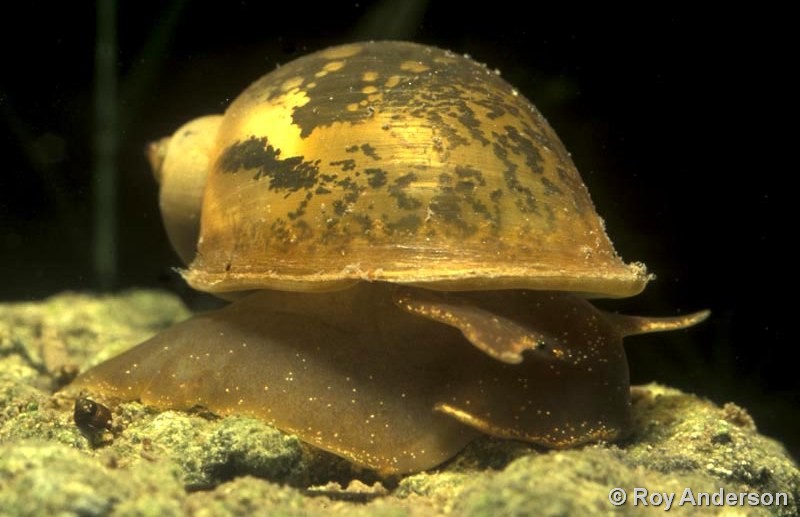
Radix balthica
photo: Mollusca of Belarus
標題:Camouflaged or tanned: plasticity in freshwater snail pigmentation.

摘要

By having phenotypically plastic traits, many organisms optimize their fitness in response to fluctuating threats. Freshwater snails with translucent shells, e.g. snails from the Radix genus, differ considerably in their mantle pigmentation patterns, with snails from the same water body ranging from being completely dark pigmented to having only a few dark patterns. These pigmentation differences have previously been suggested to be genetically fixed, but we propose that this polymorphism is owing to phenotypic plasticity in response to a fluctuating environment. Hence, we here aimed to assess whether common stressors, including ultraviolet radiation (UVR) and predation, induce a plastic response in mantle pigmentation patterns of Radix balthica.We show, in contrast to previous studies, that snails are plastic in their expression of mantle pigmentation in response to changes in UVR and predator threats, i.e. differences among populations are not genetically fixed. When exposed to cues from visually hunting fish, R. balthica increased the pro- portion of their dark pigmentation, suggesting a crypsis strategy. Snails increased their pigmentation even further in response to UVR, but this also led to a reduction in pattern complexity. Furthermore, when exposed to UVR and fish simultaneously, snails responded in the same way as in the UVR treatment, suggesting a trade-off between photoprotection and crypsis.

對於一個生物個體來說,牠能呈現出的體色來自很多不同方面的限制,遺傳框限多樣性,性擇決定這性狀是否受青睞,天擇直接讓不適合的個體從世界上說再見,還要考慮是不是能適應環境。面對這複雜的世界,不同區域的族群,甚至個體,受到的壓力可能不同,因此生物的顏色出現差異,造就物種體色多態性(polymorphism) 的生成。這又觸動科學家們那條求知旺盛的神經:究竟這些生物是受到什麼因素,讓不同顏色個體的適存度有差異?

蘿蔔螺屬(Radix,椎實螺科 Lymnaeidae)是個淡水螺,其螺殼基本上是褐色,帶有黑色的斑紋,有些種類不同族群的黑色斑紋比例會有差異,之前的研究認為這個差異來自遺傳限制,就是因為A族群黑的少生下來也黑的少,B族群黑的多生下來也黑的多。但本篇的作者群似乎不這麼認為。面對波動的環境,遺傳的限制可能只是淘汰的結果而不是原因,因此作者群透過本篇的主角R. balthica,來討論這樣的顏色差異是為了隱蔽起來躲避天敵,或是為了抵抗不利環境因子。

Fig. 1 螺殼在不同因子下的變化

實驗中使用的捕食者黑鯽魚 (Carassius carassius)
photo: 黑鯽 (wiki)
作者群從瑞典南方的隆德(Lund)附近的池塘中,蒐集大約300個個體到實驗室繁殖。實驗主要討論兩個因素:捕食者與紫外線(UV)是否讓個體的黑色素形成,因此將螺分成四組:控制組(無壓力)、捕食者組(以飼養的黑鯽魚 Carassius carassius 的化學訊號溶於水中)、UV組(以螢光燈照射)、捕食者+UV組,實驗進行八週,結束後再把這些螺拿來拍照,分析黑色斑紋的比例。

Fig. 2 上圖說明黑色區域的比例,下圖為色素覆蓋的複雜度
結果顯示黑色斑紋的佔殼的面積依控制組、捕食者、UV、捕食者+UV,顯著的變大,而斑紋的複雜度在面對捕食者時最高,捕食者+UV時最低。分析中捕食者與UV兩因素皆無統計上的交互作用。這代表R. balthica的斑紋變異並非來自遺傳,而是來自不同的環境因子。當面對視覺捕食者時,讓斑紋變的複雜,表示採取隱蔽的策略,而在UV照射的環境下則增加黑色斑紋的覆蓋抗UV,但這讓斑紋的複雜度下降。若同時暴露在兩個因子下,斑紋的變化比較接近只有UV的變化,顯示在這兩個因子間,UV照射的風險比起被捕食的風險還高,也支持這是顏色選擇上的權衡(trade off)。
Wrote by Chia-Hsuan Wei
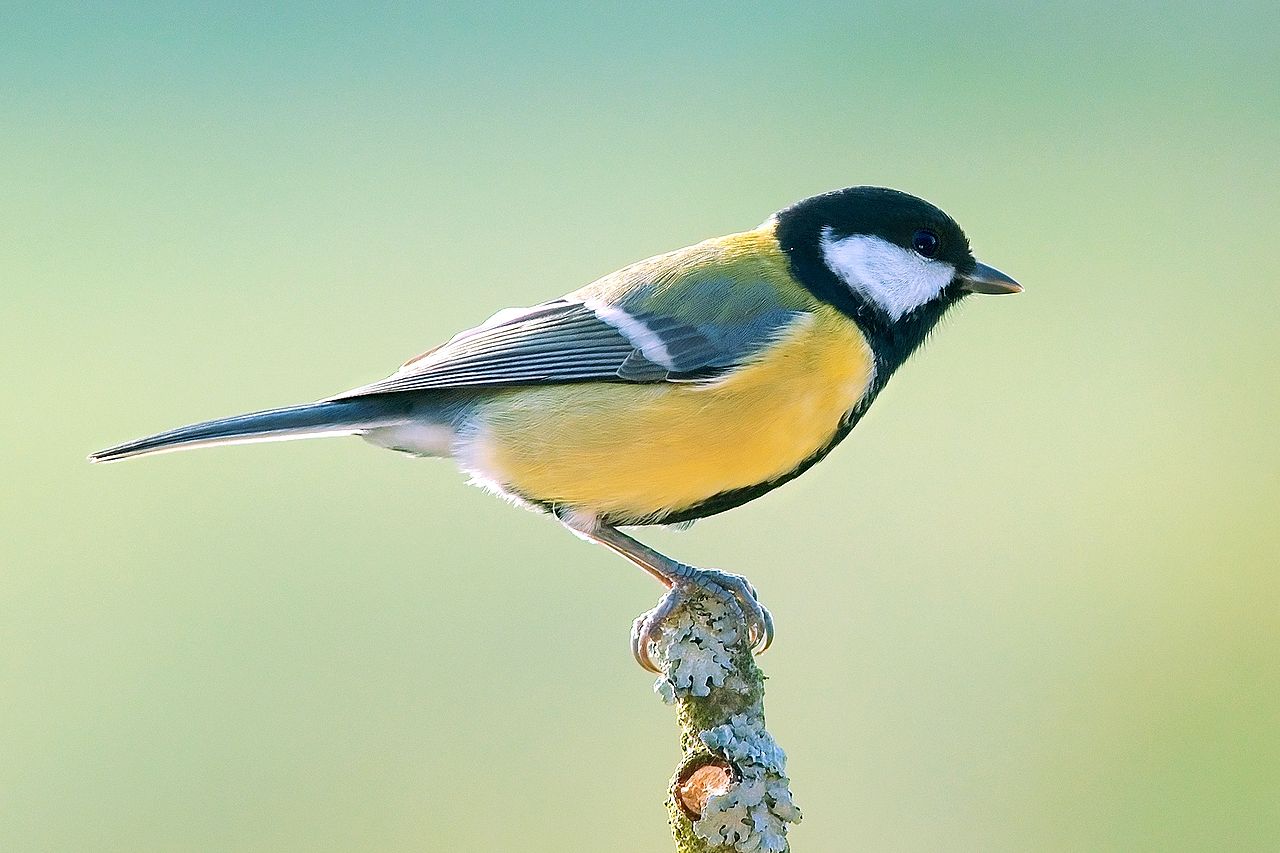
大山雀 (Great tit, Parus major) (wiki)


標題:How do predators learn to recognize a mimetic complex: Experiments with naive great tits and aposematic heteroptera.
摘要

We tested the importance of innate wariness, avoidance learning, memory and generalization for the formation of predatory behaviour in naive great tits (Parus major) towards mimetic complex of four aposematic species of true bugs (Insecta: Hemiptera: Heteroptera): Lygaeus equestris, Spilostethus saxatilis, Pyrrhocoris apterus and Graphosoma lineatum. The birds showed almost no innate wariness against the aposematically coloured bugs, although a hidden wariness elicited by defensive chemicals of some of the bug species is not excluded. Naive birds learned to avoid different species at different rates, which resulted in different prey mortalities. The avoidance learning was faster when the defensive chemicals produced an immediate irritating effect (particularly when squirted into distance – G. lineatum) than when they caused sickness several minutes after the consumption (P. apterus). The experience of birds from learning to avoid a particular species of bug affected their subsequent behaviour to other species – experience with better-defended species resulted in longer attack latencies, more cautious attacks, broader generalization and lower prey mortality. The least defended species, P. apterus, benefited from the experience of birds with better-defended species, whereas the birds’ experience with P. apterus did not reduce mortality risk of the other species comparably. Judging from the inexperienced young birds, the mimetic relation- ships are likely to be quasi-Batesian. However, as wild-caught great tits avoid all the four species to the same extent, the relationships may become more mutualistic (quasi-Müllerian) in later phases of learning under natural conditions. The relationships among species in the mimetic complex thus seem to depend on the amount of experience of the bird predators.

雖然很多討論擬態的文章以行為學的實驗來驗證假設,最常使用的是大山雀、藍山雀與家雞,除了好生好養好抓,對這種鳥的習性瞭解,更重要的行為學家認為這可以代表鳥類的捕食者。但有意思的是,雖然做過這麼多實驗,真的討論這些鳥種的基礎認知行為的證據似乎都很間接,通常是某個實驗做完後順便討論一下「這個鳥似乎天生有點怕某個東西」,因此雖然做了這麼多實驗,仍有許多的現象與理論發生衝突,有沒有可能因為對於我們所使用的鳥種還不夠瞭解?


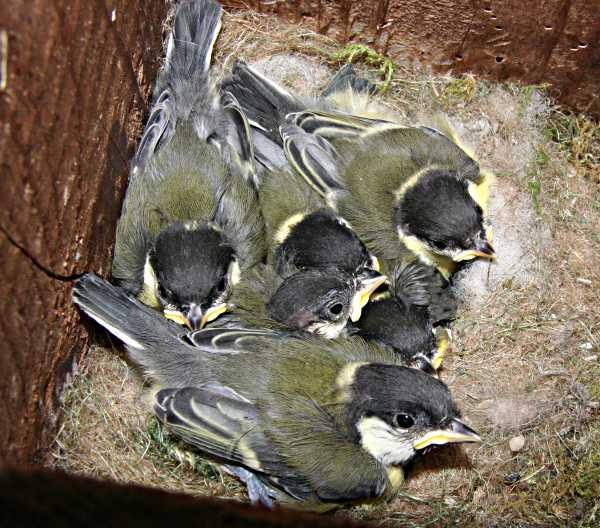
大山雀亞成鳥
photo: Clarke Brunt


作者群因此想知道捕食者的辨識警戒性/擬態的重要認知因子的基礎能力,像是天然呆(X),天生的警覺性(O),避免再次吃到難吃獵物的學習力,記憶力,與概括認知能力等,最常採用討論相關理論的大山雀 (Parus major) 自然就是討論的目標首選。作者群讓完全沒有經驗,天真無邪的大山雀攻擊四種椿象:Lygaeus equuestris, Spilostethus saxatilis, Pyrrhocoris apterus, Graphosoma lineatum。這類的椿象大多具有紅黑條紋,體內有防禦機制,有些種類被攻擊時還會放出臭氣讓捕食者避忌。就這四種椿象來說的話,其防禦的程度P. apterus的臭氣是最低的。作者群25隻手養的大山雀,飼養過程中符合動物福利原則,在飼養的過程中餵食麵包蟲、家蟋蟀、食蟲鳥類綜合飼料、綠色與褐色的昆蟲(野外抓)、水煮蛋與維他命,確保幼鳥能取得多類型的營養平安又健康的長大,又不會被飼養中某些特殊顏色影響學習經驗。等到這些鳥長大到40-60天時,就開始進行實驗。實驗進行主要分為兩個部分:第一天是「避忌學習」(avoidance learning),第二天是「概括學習」(generalization)。避免學習的實驗讓鳥試著學習避免上述四種椿象之一,然後在概括學習中同時呈現四種椿象。

Fig. 1 實驗中討論的四種椿象,與其在系統發生學上的特徵與相對親緣關係。

結果顯示這些鳥幾乎對這些警戒色沒有任何天生的警覺性(天然呆?),但對某些防禦性化學物質有警覺。這些天真的鳥對不同椿象的學習速度都不一樣。在「避忌學習」的結果中,會放出防禦性化學物的物種G. lineatum,能讓鳥學的比咬下去才知道難吃的學的快(P. apterus)。這些鳥基於學到的經驗,對於接下來的行為產生改變:有很難吃經驗的個體,在面對類似的警戒色時,攻擊延遲時間會比較長,更多謹慎的攻擊,讓這些獵物的死亡率較低。而這些椿象中防禦性最低的P. apterus,受惠於那些有過很難吃經驗的個體,反之,若鳥沒經歷過那些很難吃的,P. apterus的死亡率沒有顯著的降低。綜合以上的結果來看,這些椿象看起來像是準貝氏擬態(quasi-Batesian mimicry)的關係,但從野外抓回來的鳥的實驗來看,對於四種椿象都有避忌行為,因此作者群認為大山雀在野外學習到最後,會讓椿象的關係比較接近準穆氏擬態(quasi-Müllerian mimicry)。

這個實驗結果部分的揭開大山雀這個實驗物種的學習經歷,與這對警戒性/擬態物種的影響,但仍有些問題存在。像是其實我們對於鳥類的大腦發育與學習不如人類瞭解,手養鳥雖然可以避免某些額外的因子,但有沒有可能在飼養的過程中大腦的發育與認知就已經被限制,許多的飼養觀察也指出,手養鳥與野生鳥的行為差異極大,前兩年也有篇Nature的文章指出,實驗室飼養的果蠅比起野外的果蠅行為單一許多。這讓我們不得不考慮用手養鳥究竟是不是能解釋實驗動物的天生行為,但如果不手養,又有沒有什麼辦法測試這些內在因素?

而這樣的試驗是否又告訴我們,未來若要採用新的實驗動物前,必須要先瞭解動物的「內心」,才能進行進一步的試驗?
Wrote by Chia-Hsuan Wei
photo: Encyclopedia of Science
標題:Stimulus Salience as an Explanation for Imperfect Mimicry

摘要

The theory of mimicry explains how a mimic species gains advantage by resembling a model species [1–3]. Selection for increased mimic-model similarity should then result in accurate mimicry, yet there are many surprising examples of poor mimicry in the natural world [4–8]. The existence of imperfect mimics remains a major unsolved conundrum. We propose and experimentally test a novel explanation of the phenomenon. We argue that predators perceive prey as having several traits, but that the traits differ in their importance for learning. When predators learn to discriminate prey, high-salience traits overshadow other traits, leaving them under little or no selection for similarity, and allow imperfect mimicry to succeed. We tested this idea experimentally, using blue tits as predators and artificial prey with three prominent traits: color, pattern, and shape. We found that otherwise imperfect color mimics were avoided about as much as perfect mimics, whereas pattern and shape mimics did not gain from their similarity to the model. All traits could separately be perceived and learned by the predators, but the color trait was learned at a higher rate, implying that it had higher salience. We conclude that difference in salience between components of prey appearance is of major importance in explaining imperfect mimicry.

日前介紹過一篇較為近期的文章:捕食者對視覺訊號的差異的內在排序與其對擬態演化的影響,以人類視覺測試相似的訊號下,是不是有某些特定的部分容易被分辨,某些總是被忽略。而這篇研究就是前傳,就是因為發現這個現象好像有點難解釋,因此才用人類的視覺重新測試一次。

擬態的各種理論與證據一直提醒我們,如果某個物種的斑紋有差異,就會很快的被天擇篩選掉,到最後擬態模型與擬態者間的斑紋就會越來越像,也就是說,擬態這件事情理論上很難容忍不完美的斑紋,就算要不像也會有個限度。

還是那一句,事情永遠不會是我們想得那麼簡單。我們就是會看見像食蚜蠅(hoverfly)這種有很像也有很不像的類群,看起來像什麼但實際上什麼也不像的,我們就稱為不完美擬態(imperfect mimicry)。很多的研究討論過不完美擬態,無論是從演化,或是從行為,都有證據支持這種程度的不像已經足以提供某種程度的保護,但是仔細一想,這些雖然是不完美擬態,卻總是分享某些相似的視覺訊號,以食蚜蠅為例,至少腹部的黑黃條紋會讓人聯想到某些蜂,如果是這樣的話,有個假說就產生了:捕食者會不會就是只認某些斑紋,其他地方長怎樣就不管了,因此自然界中才會有看起來很不像的擬態者?

Fig. 1 實驗中設計的有報酬與沒報酬的人工符號
Fig. S1 實際上進行的實驗設計
作者群基於這個想法,以藍山雀 (Cyanistes caeruleus) 做為捕食者,設計如上圖的符號,包含三個主要素:形狀、顏色、符號,進行實驗時給牠看有報酬(mimic)與沒報酬(model)的訊號,第二次進行試驗時分別以三個要素測試,看藍山雀會比較避免取食符合哪個要素的人工餌料。簡單的說,預期的結果是如果捕食者看整體,那麼完美擬態的應該被留下最多,如果只看顏色,那麼與沒報酬(model)的應該被留下最多,顏色、符號也是相同的道理。

實驗中使用的捕食者藍山雀 (Cyanistes caeruleus)
photo: rspb
結果發現與model相同顏色的mimic被避免的趨勢是相似的,符號與形狀似乎沒那麼大的影響力(近期的那篇文章也有相似的結果)。從這個實驗來看,顏色的影響力是大於其他的因素,我們可以推測捕食者在面對擬態的物種時,有可能只關注某個部分,而這個部分所產生的印象足以掩蓋其他不精確的訊號,因此造成不完美擬態的現象。

這個想法當然十分有趣,但是,如果不太完美也可以的話,那麼為何大部分的擬態需要如此精確?那些用藍山雀來測試完美擬態的實驗,會不會也只認得了一部分?那些結果是否需要重新詮釋?或是以單一的捕食者模型來測試所有的擬態現象本身就是個值得探討修正的要素?

Wrote by Chia-Hsuan Wei
Older Posts Home

FB專頁

熱門文章

  • 越紅越凶:草莓箭毒蛙的警戒色除了警告天敵也反應個體侵略性
  • 看起來很警戒,身上的顏色就都很警戒?重新評估北美經典擬態模型的警戒色的例子
  • 放棄身為跳蛛的堅持:除了型態之外,蟻蛛的動作也像螞蟻嗎?

精選文章

貓頭鷹蝶的眼紋真的擬態貓頭鷹的眼睛嗎?

相關網站

  • Heliconius Homepage
    Michel Cast sent me pictures of this nice hybrid specimen from Ceara, Brazil! Thank you Michel and P. Jauffret!
  • 這是什麼啊? 可以吃嗎?
    最近出現一個被狂轉的新聞,大意是說有人為了避免蝸牛被路殺所以在其殼上彩繪,希望這樣就能讓人類注意到蝸牛的存在而不要把牠們踩死。這聽起來好像立意不錯喔? 但就我們研究警戒與擬態的角度來說,我們認為這種作法天真且有些荒謬,為什麼呢? - 在偽裝(camouflage)與警戒(aposematism)形成...
  • WELCOME TO THE BIODIVERSITY LAB! | Biodiversity Lab
  • Kronforst Lab at the University of Chicago
  • mallet lab
  • MimeticButterflies
  • Mathieu Joron - Home
  • Evolution of predator-prey interactions — Bio- ja ympäristötieteiden laitos

文章類型

  • 文章 (Article) 113
  • 擬態環 (mimicry ring) 12
  • 回顧 (review) 10
  • 科普 4
  • 擬態那些事 3
  • 書 (Book) 3
  • 評論 (comment) 1

研究領域

  • 貝氏擬態 (Batesian mimicry) (43)
  • 警戒性 (Aposematism) (40)
  • 穆氏擬態 (Müllerian mimicry) (37)
  • 多態型 (polymorphism) (16)
  • 擬態環 (mimicry ring) (12)
  • 侵略型擬態 (aggressive mimicry) (10)
  • 隱蔽性 (crypsis) (10)
  • 不完美擬態 (imperfect mimicry) (6)
  • 種化 (speciation) (5)
  • 雌性擬態 (female-limited mimicry) (5)
  • 性擇 (sexual selection) (4)
  • 鳥蛋寄生 (egg parasite) (4)
  • 眼斑 (eyespot) (3)
  • 假頭 (false head) (2)
  • 性雙型性 (sexual dimorphism) (2)
  • 擬蟻性 (Myrmecomorphomania) (2)
  • 機動性擬態 (locomotory mimicry) (2)
  • "模糊"型擬態 (satyric mimicry) (1)

研究方式

  • 行為學 (Ethology) (46)
  • 生態 (Ecology) (21)
  • 系統發生學 (phylogenetics) (16)
  • 基因體 (Genomics) (12)
  • 視覺模型 (visual model) (10)
  • 模擬(modelling and simulation) (6)
  • 遺傳學 (genetics) (6)
  • 族群遺傳 (population genetics) (5)
  • 分子生物學 (Molecular biology) (4)
  • 化學生態 (Chemical ecology) (3)
  • 分子鑑定 (molecular identificaiton) (1)
  • 古生物學 (palaeontology) (1)
  • 地理資訊系統 (GIS) (1)
  • 演化發育學 (Evo-Devo) (1)

分類群

Copyright © 2015 擬態生物學. Designed by OddThemes | Distributed By Gooyaabi Templates