• 首頁 (Home)
  • 理論介紹 (Theories)
    • 警戒色
    • 貝氏擬態 (Batesian mimicry)
    • 穆氏擬態 (Mullerian mimicry)
    • 副貝氏擬態 (quasi-Batesian mimicry)
  • 研究團隊 (research teams)
    • Candy Rowe
    • James Mallet
    • John skelhorn
  • 文獻蒐集 (Bibliography)
    • 2010-
      • 2016
      • 2015
      • 2014
      • 2013
      • 2012
      • 2011
      • 2010
    • 2000-2009
      • 2009
      • 2008
      • 2007
      • 2006
      • 2005
      • 2004
      • 2003
      • 2002
      • 2001
      • 2000
    • More than 650 references on mimicry

擬態生物學

警戒色與擬態的介紹團隊,學術文章導讀,歷史背景,物種,與生物多樣性


許多生物斑紋或體色的多態性(polymorphism)有著不同的功能與意義,但在有警戒性的物種中如果有著多態性該如何解釋呢?是代表警戒訊號可能不穩定?還是別有其生物意義?

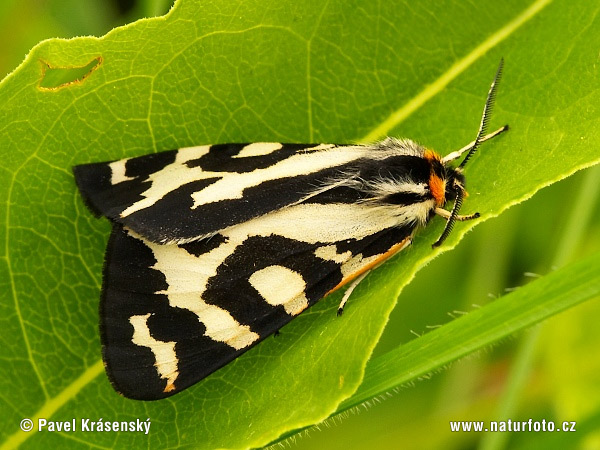
Arctia plantaginis是一種有警戒性且多態型的夜行性燈蛾,廣泛分佈於歐亞大陸與北美。在之前的研究中,已經知道這種燈蛾化學防禦,但是其多態性所代表的生物意義仍未有可能的解釋。於是這群研究者就想到,如果擬態的起源是基於警戒性,那麼種的多態性是否代表每個型都參與不同的擬態群?

他們以大胸山雀(Great tit)為捕食者,測試白色型與黃色型的燈蛾,並挑選四種共域且可能與燈蛾擬態的尺蛾評估其中的關係。實驗分為三個部分:(1) 藉由操作實驗分為有視覺訊號與無視覺訊號的處理,評估其相對可食度;(2) 以藍山雀(Blue tit)的視覺模型評估表型的相似度;以及 (3) 給予燈蛾的順序是否會影響捕食者的攻擊意願。結果顯示四種中的三種對捕食者來說不夠難吃,因此不會是該燈蛾的擬態模型;另一個結果顯示在黃色蛾的處理中,雖然整體的訊號沒有明顯差別,但捕食者對黃色的燈蛾與尺蛾間感到困惑(猶豫時間較長)。

研究者認為這個結果能夠解釋不完美擬態的關係 (燈蛾vs尺蛾)。由於視覺訊號的結果顯示白色與黃色型內的物種間是無法顯著辨別,因此這個結果也支持這個多態型的來源是因為參與不同的擬態型,即使在研究中並沒有找到白色型不好吃的擬態模型。

Rönkä, K., Mappes, J., Kiviö, R., Salokannas, J., Michalis, C. & Rojas, B. 2018. Can multiple-model mimicry explain warning signal polymorphism in the wood tiger moth, Arctia plantaginis (Lepidoptera: Erebidae)? Biological Journal of the Linnean Society. in press
Wrote by Chia-Hsuan Wei
Fig. 1 文中的燈蛾與苔蛾的發音結構型態與其發音頻率
標題:Acoustic Aposematism and Evasive Action in Select Chemically Defended Arctiine (Lepidoptera: Erebidae) Species: Nonchalant or Not?

摘要

Tiger moths (Erebidae: Arctiinae) have experienced intense selective pressure from echolo- cating, insectivorous bats for over 65 million years. One outcome has been the evolution of acoustic signals that advertise the presence of toxins sequestered from the moths’ larval host plants, i.e. acoustic aposematism. Little is known about the effectiveness of tiger moth anti-bat sounds in their natural environments. Weused multiple infrared cameras to recon- struct bat-moth interactions in three-dimensional (3-D) space to examine how functional sound-producing organs called tymbals affect predation of two chemically defended tiger moth species: Pygarctia roseicapitis (Arctiini) and Cisthene martini (Lithosiini). P. roseicapi- tis and C. martini with intact tymbals were 1.8 and 1.6 times less likely to be captured by bats relative to those rendered silent. 3-D flight path and acoustic analyses indicated that bats actively avoided capturing sound-producing moths. Clicking behavior differed between the two tiger moth species, with P. roseicapitis responding in an earlier phase of bat attack. Evasive flight behavior in response to bat attacks was markedly different between the two tiger moth species. P. roseicapitis frequently paired evasive dives with aposematic sound production. C. martini were considerably more nonchalant and employed evasion in fewer interactions. Our results show that acoustic aposematism is effective at deterring bat preda- tion in a natural context and that this strategy is likely to be the ancestral function of tymbal organs within the Arctiinae.

很多夜行性的鱗翅目跟日行性的一樣,有紅黑黃相間看起來顯眼的警戒色,還有抓到後會釋放出難聞氣味或液體的化學防禦,但奇怪的概念衝突在於很多捕食鱗翅目的捕食者不是用視覺偵測(蝙蝠、蜘蛛),用視覺偵測的捕食者不吃鱗翅目(貓頭鷹),所以這些警戒性到底在夜間如何作用,到目前還沒有個很適合的理論,但是如果除了視覺之外,還有其他的方式能夠連結化學防禦,達到如視覺般有警戒性效果的方法嗎?

夜間如果不是用看的,那就只能用聽的,小型昆蟲的主要捕食者之一就是蝙蝠,透過超音波來搜尋獵物,而某些夜蛾能夠發出與蝙蝠相似的頻率的聲音來迷惑捕食者,或是偵測到來自捕食者的超音波立刻停止飛行掉落到地面,但是這些夜蛾沒有明顯的化學防禦,這些行為不被認為與警戒性有關聯,可是某些鱗翅目物種具有化學防禦的物種就是也會伴隨某些發聲行為,是否與警戒性有關係呢?

Fig. 8 蝙蝠遇到發出警戒音個體時的行為假設
作者群利用會發音的燈蛾,Pygarctia roseicapitis,與苔蛾,Cisthene martini 來討論這個現象。燈蛾與苔蛾都屬於燈蛾族 (Arctiini),一般認為這群蛾類會在體內累積有毒物質,捕食者吃到會吐掉,而這些物質有時也會用來做為吸引異性的費洛蒙。作者群想到,這兩種蛾的發音顯然不同於上面提到的夜蛾,如果不是為了迷惑捕食者,發音反而可能會吸引捕食者,但如果結合化學防禦的話,這有沒有可能是一種主動告訴捕食者「我不好吃」的訊號?

Fig. 2 蝙蝠遇到三種不同處理個體的接觸頻率與行為。藍色為不捕捉,橘色為捕捉但吐掉,灰色為吃掉。
Fig. 6 兩種蛾與到蝙蝠的飛行軌跡分析
作者群以遠紅外線的攝影機錄製燈蛾與苔蛾接觸蝙蝠時的3D立體軌跡,以及發音行為在這兩者間的交互作用中所扮演的角色。作者將這些蛾做了三種處理:保留發音結構 (Tymbaled, T+)、移除發音結構 (Ablated, T-)與只把發音結構周圍的鱗片移除做為控制組 (Sham, S)。結果顯示這兩種蛾在蝙蝠靠近時的發音頻率與模式,都與蝙蝠不在附近的發音有所差異。3D軌跡的結果顯示,當蝙蝠聽到這些發音後,明顯產生避免捕食這些蛾類的行為。這兩種蛾的發音行為也有所差異:燈蛾在較遠的距離偵測到蝙蝠後,就開始改變飛行行為(如夜蛾般掉落),並且產生警戒音,而苔蛾則保持繼續飛行但改變方向,採取一種默默離開以避免接觸的模式。

這個結果支持除了被動的發送視覺訊號外,在夜色茫茫星月無光看不見的情況下,主動發出聲音警告捕食者可能是更有效率的作法,而躲避蝙蝠發音的行為也被認為是燈蛾亞科的發音器最原本的作用,代表為了蝙蝠可能是推動燈蛾亞科演化出發音結構的最大動力。相對於視覺,聲學的警戒性也提供未來探討夜行性物種的防禦機制時的新方向。
Wrote by Chia-Hsuan Wei
Wood tiger moth (Parasemia plantaginis) (wiki)

標題:Changes in predator community structure shifts the efficacy of two warning signals in Arctiid moths

摘要

1. Polymorphism in warning coloration is puzzling because positive frequency-dependent selection by predators is expected to promote monomorphic warning signals in defended prey.

2. We studied predation on the warning-coloured wood tiger moth (Parasemia plantaginis) by using artificial prey resembling white and yellow male colour morphs in five separate populations with different naturally occurring morph frequencies.

3. We tested whether predation favours one of the colour morphs over the other and whether that is influenced either by local, natural colour morph frequencies or predator community composition.

4. We found that yellow specimens were attacked less than white ones regardless of the local frequency of the morphs indicating frequency-independent selection, but predation did depend on predator community composition: yellows suffered less attacks when Paridae were abundant, whereas whites suffered less attacks when Prunellidae were abundant.

5. Our results suggest that spatial heterogeneity in predator community composition can generate a geographical mosaic of selection facilitating the evolution of polymorphic warning signals. This is the first time this mechanism gains experimental support. Altogether, this study sheds light on the evolution of adaptive coloration in heterogeneous environments.

如果警戒性斑紋有用的話,我們期待這個物種在生態與演化上有什麼反應?是不是這個訊號要很穩定,就像走在鋼索上,如果不小心出現什麼有點跟原本不一樣的,立刻遭受攻擊的機會就上升了?是不是這個訊號要很明顯,能夠很有效率的傳達給捕食者,最好是看到就覺得這東西危險,連碰都別碰?

如果有這麼簡單就好了。自然界的運作原則永遠比我們想的複雜,因為我們總是會發現某些警戒性的物種具有兩種以上的斑紋,如果理論預測是對的,那麼實際上就是某些還不瞭解的運作機制參與其中,多態型對警戒性的運作對象會產生什麼影響?
Fig. 1 作者所參考的標本(上排)與人工假蛾(下排)
本篇討論的主角:wood tiger moth (Parasemia plantaginis) (有些翻譯為車前燈蛾)是一種廣部於舊北區的燈蛾,食草廣泛,在大英的寄主資料庫中查到取食杜鵑花科、蓼科、車前草科、樺木科與菊科,而這種類隨著食草不同,體內的防禦與免疫程度也會隨之變動。這種蛾主要有兩個顏色:黃色與白色,配上黑色的條紋顯示出極度明顯的對比,因此被認為是警戒性的物種。

作者群想要知道不同的顏色在不同區域的比例差異從何而來,是因為捕食者的族群結構差異,或是受限於當地族群顏色出現的比例(出現的越多次,捕食者越容易學到,稱為frequency-dependent selection)?作者用塑像用黏土製成身體,以數位拍攝真正的標本後印出,將翅膀裁切下來黏在黏土身體上,製成與真蛾標本同樣大小的人工假蛾進行實驗。實驗在五個地方進行:愛沙尼亞、芬蘭中部、芬蘭南部、蘇格蘭與奧蘭,每個地方選取15條穿越線(奧蘭16條),各自放置以下10隻不同外觀的假蛾:白色/黃色普通型、白色/黃色較黑色型以及控制組(共50隻),每隻樣本的距離為20公尺,並且記錄U型與V型的鳥攻擊痕跡。
山雀科 (Paridae)
photo: Handbook of the birds of the world
岩鷚科 (Prunellidae)
photo: Ren Hathway in Handbook of the Birds of the World. V. 10
結果發現無論是哪個區域,黃色被攻擊的頻率都比起白色來的高,這似乎與當地色型出現的頻率無關。但作者群發現另一個有趣的現象:當山雀科 (Paridae) 的鳥類比較多的時候,黃色的被攻擊率就比較低;當岩鷚科 (Prunellidae) 的鳥類比較多的時候,白色的被攻擊率就比較低。這是第一個支持空間的異質性讓捕食者結構不同時,對於警戒性的斑紋有不同程度的選汰壓力的證據。

簡單說個總結,其實就像人類不同的飲食文化一樣,不同的物種,不同的族群喜歡吃的東西不同,因此造成當地產出的差異。可是我認為這個研究有些邏輯上的衝突:如果這個燈蛾警戒性本身很有用,那麼捕食者應該能不吃就不吃,也就是捕食者應該已經「被教育」的好好的,如果是這樣,作者群放出去的假蛾應該會完完整整的沒有任何攻擊痕跡;但作者群的數據來源卻必須基於攻擊燈蛾的咬痕,也就是這個燈蛾本身就是捕食者的食物之一,才有可能蒐集到這樣的數據。那麼,這個燈蛾的警戒效率是不是還真值得懷疑?

至於這些鳥的視覺模型的重要性自然更不在話下。
Wrote by Chia-Hsuan Wei

原文標題:Direction and strength of selection by predators for the color of the aposematic wood tiger moth

摘要 [原文連結]

Conventionally, predation is assumed to select for conspicuousness and uniformity of warning signals in aposematic (i.e., chemically defended and warning signaling) prey because this enhances predators' initial and learned avoidance. On the other hand, it has been suggested that both variation in the background where the signal is displayed as well as variation in predators' probability to attack defended prey may favor intermediate signals or relax selection for signal monomorphism. We studied the direction and strength of selection for the hind wing color (orange vs. red) of female Parasemia plantaginis moths. Birds found the moths aversive and avoided them by sight both in laboratory and field experiments. A laboratory experiment with great tits showed that birds can discriminate between orange and red wings and attack red females less than orange females. This directional selection should decrease variation in hind wing color. However, the hind wing color did not significantly affect the “survival” of dead specimens under natural field conditions in a multipredator community. In addition, even though both orange and red were highly conspicuous against green leaves and silver birch trunks (backgrounds used in the studies), the magnitude of avian-perceived chromatic contrast (conspicuousness) differed against these backgrounds. Our results suggest that depending on the signal environment (background, predator community) directional selection for the warning signal monomorphism can be relaxed.


先介紹一下本篇所使用的物種Parasemia plantaginis(燈蛾科),廣泛分布於舊北區,食草廣泛,在大英的寄主資料庫中查到取食杜鵑花科、蓼科、車前草科、樺木科與菊科,而這種類似乎隨著食草不同,體內的防禦與免疫程度也會跟著變動。翅紋如上圖所示,後翅包含從紅色到接近黃色的多態型(圖中皆為雌性),對照組則使用的是wax moth(螟蛾科)。

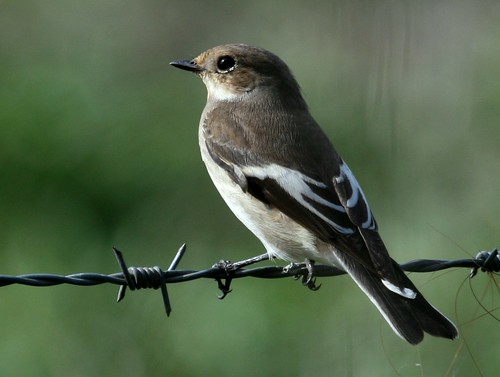
這篇文章就是在討論如果警戒色本身有變化的話,那麼捕食者會如何應對,或是那個顏色本身就是比較有效的,天擇的壓力會不會傾向哪邊比較有利等等。實驗分為幾個部分,第一個部分是確認這個蛾的警戒色到底有多有效,這個部分使用的捕食者是pied flycatcher(見下圖);第二個部分是捕食者對於這個蛾的避忌記憶的速率(也就是測試多快會記得),這個部分使用的捕食者是大山雀(great tits);第三個部分則是將這些蛾放到野外去做實驗,測試對於野外的鳥類是否會避忌。

pied flycatcher

結果顯示無論是紅色或橘色在鳥類眼中都是十分顯眼的顏色,而紅色的效用似乎大於橘色,但兩個顏色都仍是有效的警戒色,作者認為這樣的結果代表兩個顏色都能分擔捕食壓力,因此這樣的多態型能夠被保留下來。

這個結果雖然在某種程度上可以解釋為何警戒色有多態型,不過一個物種的多態型成因有很多,不同的顏色也可能代表小時候吃的食物不同,進而反應個體品質之類的;另一個點在於,這個燈蛾與那個螟蛾的大小好像有點差距,雖然燈蛾的顏色是顯眼多了沒錯,不過也可能是因為比較大,螟蛾比較小的緣故,但這算是瑕不掩瑜的小缺點啦。
Wrote by Chia-Hsuan Wei
Older Posts Home

FB專頁

熱門文章

  • 越紅越凶:草莓箭毒蛙的警戒色除了警告天敵也反應個體侵略性
  • 看起來很警戒,身上的顏色就都很警戒?重新評估北美經典擬態模型的警戒色的例子
  • 放棄身為跳蛛的堅持:除了型態之外,蟻蛛的動作也像螞蟻嗎?

精選文章

貓頭鷹蝶的眼紋真的擬態貓頭鷹的眼睛嗎?

相關網站

  • Heliconius Homepage
    Michel Cast sent me pictures of this nice hybrid specimen from Ceara, Brazil! Thank you Michel and P. Jauffret!
  • 這是什麼啊? 可以吃嗎?
    最近出現一個被狂轉的新聞,大意是說有人為了避免蝸牛被路殺所以在其殼上彩繪,希望這樣就能讓人類注意到蝸牛的存在而不要把牠們踩死。這聽起來好像立意不錯喔? 但就我們研究警戒與擬態的角度來說,我們認為這種作法天真且有些荒謬,為什麼呢? - 在偽裝(camouflage)與警戒(aposematism)形成...
  • WELCOME TO THE BIODIVERSITY LAB! | Biodiversity Lab
  • Kronforst Lab at the University of Chicago
  • mallet lab
  • MimeticButterflies
  • Mathieu Joron - Home
  • Evolution of predator-prey interactions — Bio- ja ympäristötieteiden laitos

文章類型

  • 文章 (Article) 113
  • 擬態環 (mimicry ring) 12
  • 回顧 (review) 10
  • 科普 4
  • 擬態那些事 3
  • 書 (Book) 3
  • 評論 (comment) 1

研究領域

  • 貝氏擬態 (Batesian mimicry) (43)
  • 警戒性 (Aposematism) (40)
  • 穆氏擬態 (Müllerian mimicry) (37)
  • 多態型 (polymorphism) (16)
  • 擬態環 (mimicry ring) (12)
  • 侵略型擬態 (aggressive mimicry) (10)
  • 隱蔽性 (crypsis) (10)
  • 不完美擬態 (imperfect mimicry) (6)
  • 種化 (speciation) (5)
  • 雌性擬態 (female-limited mimicry) (5)
  • 性擇 (sexual selection) (4)
  • 鳥蛋寄生 (egg parasite) (4)
  • 眼斑 (eyespot) (3)
  • 假頭 (false head) (2)
  • 性雙型性 (sexual dimorphism) (2)
  • 擬蟻性 (Myrmecomorphomania) (2)
  • 機動性擬態 (locomotory mimicry) (2)
  • "模糊"型擬態 (satyric mimicry) (1)

研究方式

  • 行為學 (Ethology) (46)
  • 生態 (Ecology) (21)
  • 系統發生學 (phylogenetics) (16)
  • 基因體 (Genomics) (12)
  • 視覺模型 (visual model) (10)
  • 模擬(modelling and simulation) (6)
  • 遺傳學 (genetics) (6)
  • 族群遺傳 (population genetics) (5)
  • 分子生物學 (Molecular biology) (4)
  • 化學生態 (Chemical ecology) (3)
  • 分子鑑定 (molecular identificaiton) (1)
  • 古生物學 (palaeontology) (1)
  • 地理資訊系統 (GIS) (1)
  • 演化發育學 (Evo-Devo) (1)

分類群

Copyright © 2015 擬態生物學. Designed by OddThemes | Distributed By Gooyaabi Templates