• 首頁 (Home)
  • 理論介紹 (Theories)
    • 警戒色
    • 貝氏擬態 (Batesian mimicry)
    • 穆氏擬態 (Mullerian mimicry)
    • 副貝氏擬態 (quasi-Batesian mimicry)
  • 研究團隊 (research teams)
    • Candy Rowe
    • James Mallet
    • John skelhorn
  • 文獻蒐集 (Bibliography)
    • 2010-
      • 2016
      • 2015
      • 2014
      • 2013
      • 2012
      • 2011
      • 2010
    • 2000-2009
      • 2009
      • 2008
      • 2007
      • 2006
      • 2005
      • 2004
      • 2003
      • 2002
      • 2001
      • 2000
    • More than 650 references on mimicry

擬態生物學

警戒色與擬態的介紹團隊,學術文章導讀,歷史背景,物種,與生物多樣性

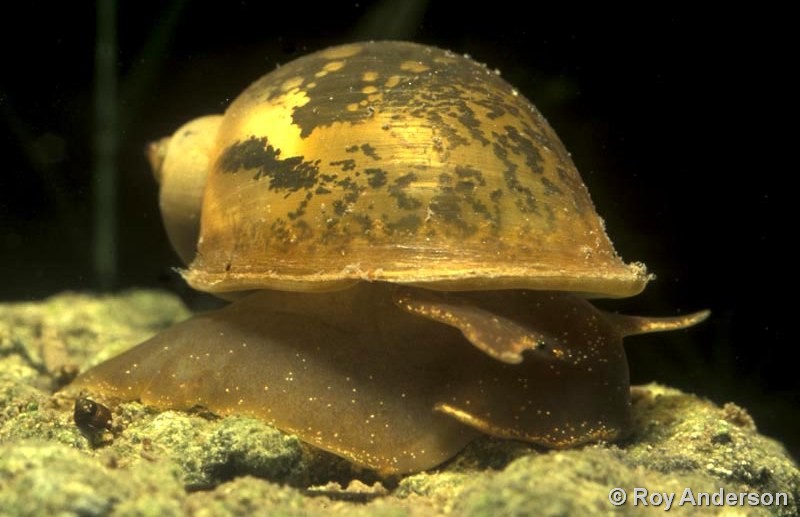
Radix balthica
photo: Mollusca of Belarus
標題:Camouflaged or tanned: plasticity in freshwater snail pigmentation.

摘要

By having phenotypically plastic traits, many organisms optimize their fitness in response to fluctuating threats. Freshwater snails with translucent shells, e.g. snails from the Radix genus, differ considerably in their mantle pigmentation patterns, with snails from the same water body ranging from being completely dark pigmented to having only a few dark patterns. These pigmentation differences have previously been suggested to be genetically fixed, but we propose that this polymorphism is owing to phenotypic plasticity in response to a fluctuating environment. Hence, we here aimed to assess whether common stressors, including ultraviolet radiation (UVR) and predation, induce a plastic response in mantle pigmentation patterns of Radix balthica.We show, in contrast to previous studies, that snails are plastic in their expression of mantle pigmentation in response to changes in UVR and predator threats, i.e. differences among populations are not genetically fixed. When exposed to cues from visually hunting fish, R. balthica increased the pro- portion of their dark pigmentation, suggesting a crypsis strategy. Snails increased their pigmentation even further in response to UVR, but this also led to a reduction in pattern complexity. Furthermore, when exposed to UVR and fish simultaneously, snails responded in the same way as in the UVR treatment, suggesting a trade-off between photoprotection and crypsis.

對於一個生物個體來說,牠能呈現出的體色來自很多不同方面的限制,遺傳框限多樣性,性擇決定這性狀是否受青睞,天擇直接讓不適合的個體從世界上說再見,還要考慮是不是能適應環境。面對這複雜的世界,不同區域的族群,甚至個體,受到的壓力可能不同,因此生物的顏色出現差異,造就物種體色多態性(polymorphism) 的生成。這又觸動科學家們那條求知旺盛的神經:究竟這些生物是受到什麼因素,讓不同顏色個體的適存度有差異?

蘿蔔螺屬(Radix,椎實螺科 Lymnaeidae)是個淡水螺,其螺殼基本上是褐色,帶有黑色的斑紋,有些種類不同族群的黑色斑紋比例會有差異,之前的研究認為這個差異來自遺傳限制,就是因為A族群黑的少生下來也黑的少,B族群黑的多生下來也黑的多。但本篇的作者群似乎不這麼認為。面對波動的環境,遺傳的限制可能只是淘汰的結果而不是原因,因此作者群透過本篇的主角R. balthica,來討論這樣的顏色差異是為了隱蔽起來躲避天敵,或是為了抵抗不利環境因子。

Fig. 1 螺殼在不同因子下的變化

實驗中使用的捕食者黑鯽魚 (Carassius carassius)
photo: 黑鯽 (wiki)
作者群從瑞典南方的隆德(Lund)附近的池塘中,蒐集大約300個個體到實驗室繁殖。實驗主要討論兩個因素:捕食者與紫外線(UV)是否讓個體的黑色素形成,因此將螺分成四組:控制組(無壓力)、捕食者組(以飼養的黑鯽魚 Carassius carassius 的化學訊號溶於水中)、UV組(以螢光燈照射)、捕食者+UV組,實驗進行八週,結束後再把這些螺拿來拍照,分析黑色斑紋的比例。

Fig. 2 上圖說明黑色區域的比例,下圖為色素覆蓋的複雜度
結果顯示黑色斑紋的佔殼的面積依控制組、捕食者、UV、捕食者+UV,顯著的變大,而斑紋的複雜度在面對捕食者時最高,捕食者+UV時最低。分析中捕食者與UV兩因素皆無統計上的交互作用。這代表R. balthica的斑紋變異並非來自遺傳,而是來自不同的環境因子。當面對視覺捕食者時,讓斑紋變的複雜,表示採取隱蔽的策略,而在UV照射的環境下則增加黑色斑紋的覆蓋抗UV,但這讓斑紋的複雜度下降。若同時暴露在兩個因子下,斑紋的變化比較接近只有UV的變化,顯示在這兩個因子間,UV照射的風險比起被捕食的風險還高,也支持這是顏色選擇上的權衡(trade off)。
Wrote by Chia-Hsuan Wei
Older Posts Home

FB專頁

熱門文章

  • [Review] 警戒色與擬態的多樣性之演化:關於多態型、移動平衡與種化
  • [科普]自然界中的詐騙集團:生物間「擬態」現象的奧祕
  • 放棄身為跳蛛的堅持:除了型態之外,蟻蛛的動作也像螞蟻嗎?

精選文章

貓頭鷹蝶的眼紋真的擬態貓頭鷹的眼睛嗎?

相關網站

  • Heliconius Homepage
    Michel Cast sent me pictures of this nice hybrid specimen from Ceara, Brazil! Thank you Michel and P. Jauffret!
  • 這是什麼啊? 可以吃嗎?
    最近出現一個被狂轉的新聞,大意是說有人為了避免蝸牛被路殺所以在其殼上彩繪,希望這樣就能讓人類注意到蝸牛的存在而不要把牠們踩死。這聽起來好像立意不錯喔? 但就我們研究警戒與擬態的角度來說,我們認為這種作法天真且有些荒謬,為什麼呢? - 在偽裝(camouflage)與警戒(aposematism)形成...
  • WELCOME TO THE BIODIVERSITY LAB! | Biodiversity Lab
  • Kronforst Lab at the University of Chicago
  • mallet lab
  • MimeticButterflies
  • Mathieu Joron - Home
  • Evolution of predator-prey interactions — Bio- ja ympäristötieteiden laitos

文章類型

  • 文章 (Article) 113
  • 擬態環 (mimicry ring) 12
  • 回顧 (review) 10
  • 科普 4
  • 擬態那些事 3
  • 書 (Book) 3
  • 評論 (comment) 1

研究領域

  • 貝氏擬態 (Batesian mimicry) (43)
  • 警戒性 (Aposematism) (40)
  • 穆氏擬態 (Müllerian mimicry) (37)
  • 多態型 (polymorphism) (16)
  • 擬態環 (mimicry ring) (12)
  • 侵略型擬態 (aggressive mimicry) (10)
  • 隱蔽性 (crypsis) (10)
  • 不完美擬態 (imperfect mimicry) (6)
  • 種化 (speciation) (5)
  • 雌性擬態 (female-limited mimicry) (5)
  • 性擇 (sexual selection) (4)
  • 鳥蛋寄生 (egg parasite) (4)
  • 眼斑 (eyespot) (3)
  • 假頭 (false head) (2)
  • 性雙型性 (sexual dimorphism) (2)
  • 擬蟻性 (Myrmecomorphomania) (2)
  • 機動性擬態 (locomotory mimicry) (2)
  • "模糊"型擬態 (satyric mimicry) (1)

研究方式

  • 行為學 (Ethology) (46)
  • 生態 (Ecology) (21)
  • 系統發生學 (phylogenetics) (16)
  • 基因體 (Genomics) (12)
  • 視覺模型 (visual model) (10)
  • 模擬(modelling and simulation) (6)
  • 遺傳學 (genetics) (6)
  • 族群遺傳 (population genetics) (5)
  • 分子生物學 (Molecular biology) (4)
  • 化學生態 (Chemical ecology) (3)
  • 分子鑑定 (molecular identificaiton) (1)
  • 古生物學 (palaeontology) (1)
  • 地理資訊系統 (GIS) (1)
  • 演化發育學 (Evo-Devo) (1)

分類群

Copyright © 2015 擬態生物學. Designed by OddThemes | Distributed By Gooyaabi Templates