• 首頁 (Home)
  • 理論介紹 (Theories)
    • 警戒色
    • 貝氏擬態 (Batesian mimicry)
    • 穆氏擬態 (Mullerian mimicry)
    • 副貝氏擬態 (quasi-Batesian mimicry)
  • 研究團隊 (research teams)
    • Candy Rowe
    • James Mallet
    • John skelhorn
  • 文獻蒐集 (Bibliography)
    • 2010-
      • 2016
      • 2015
      • 2014
      • 2013
      • 2012
      • 2011
      • 2010
    • 2000-2009
      • 2009
      • 2008
      • 2007
      • 2006
      • 2005
      • 2004
      • 2003
      • 2002
      • 2001
      • 2000
    • More than 650 references on mimicry

擬態生物學

警戒色與擬態的介紹團隊,學術文章導讀,歷史背景,物種,與生物多樣性

北美火焰蠑螈 (Plethodon cinereus)
photo from Salamander Chronicles
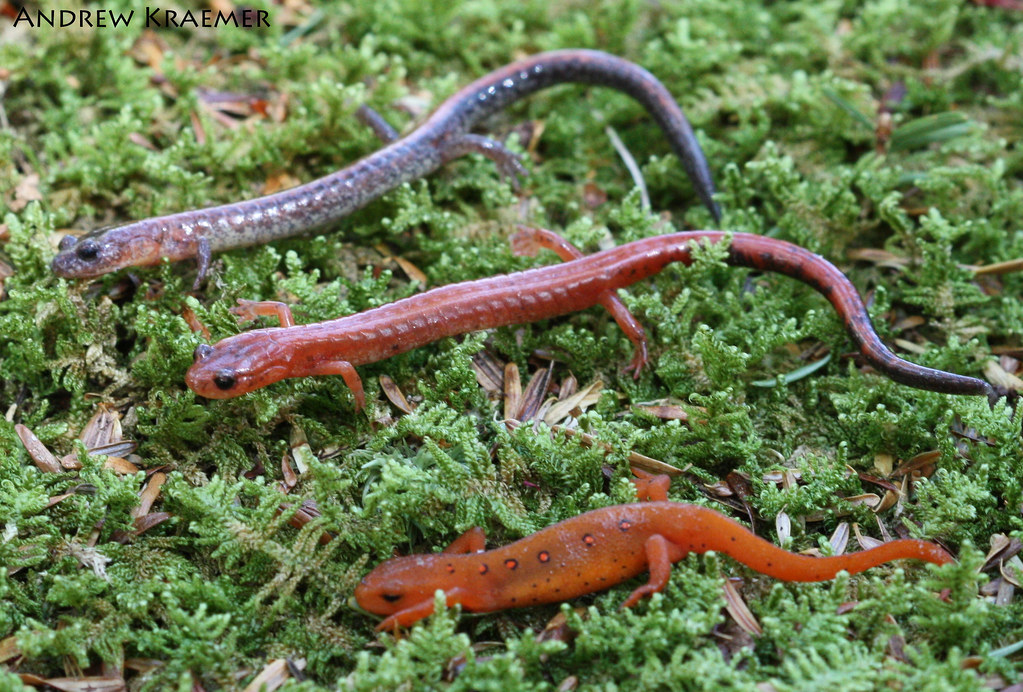
由下而上為火焰蠑螈(model),紅背蠑螈紅化型(mimic),紅背蠑螈黑色型(non-mimetic)
photo from Andy Kraemer
標題:Model toxin level does not directly influence the evolution of mimicry in the salamander Plethodon cinereus.

摘要

The resemblance between palatable mimics and unpalatable models in Batesian mimicry systems is tempered by many factors, including the toxicity of the model species. Model toxicity is thought to influence both the occurrence of mimicry and the evolution of mimetic phenotypes, such that mimicry is most likely to persist when models are particularly toxic. Additionally, model toxicity may influence the evolution of mimetic phenotype by allowing inaccurate mimicry to evolve through a mechanism termed ‘relaxed selection’. We tested these hypotheses in a salamander mimicry system between the model Notophthalmus viridescens and the mimic Plethodon cinereus, in which N. viridescens toxicity takes the form of tetrodotoxin. Surprisingly, though we discovered geographic variation in model toxin level, we found no support for the hypotheses that model toxicity directly influences either the occurrence of mimicry or the evolution of mimic phenotype. Instead, a link between N. viridescens size and toxicity may indirectly lead to relaxed selection in this mimicry system. Additionally, limitations of predator perception or variation in the rate of phenotypic evolution of models and mimics may account for the evolution of imperfect mimicry in this salamander species. Finally, variation in predator communities among localities or modern changes in environmental conditions may contribute to the patchy occurrence of mimicry in P. cinereus.


擬態生物學裡有一個理論:想像一下,如果我們是個捕食者,在找尋獵物,突然看到一個生物看起來可以吃,咬下去之後發現,難吃但勉強能吃,為了填肚子硬吞下去,但是如果有別的選擇我可以別選這種難吃的東西,接著又發現另一隻,欸?這看起來跟剛剛那個沒這麼像,是不一樣的東西,吃下去發現,恩,好吃。回到一開始,另一個情境,一樣看到一個生物,咬下去吃後發現,這東西天殺的無敵霹靂盤古開天以來都沒那麼難吃的東西居然被我吃到!吐掉,接著又發現另一隻看起來有點像,這時你還會想嘗試第二次嗎?

這就是在說model的毒性(難吃)程度與mimic的擬態精準度之間的關係,如果model很難吃,那麼可以忍受mimic沒那麼像,如果model中等難吃,那mimic的斑紋就要像的精準一點。

photo from Virginia Herpetological Society
紅背蠑螈的不同型態變化

這個研究討論的是一個具有河豚神經毒素的北美的火焰蠑螈 (Notophthalmus viridescens)的毒性程度,與牠的擬態者紅背蠑螈 (Plethodon cinereus)間斑紋變化的關係。紅背蠑螈是一個多態型的種類,而火焰蠑螈的毒性在不同地區有所差異,如果上述的理論為真的話,那麼紅背蠑螈在火焰蠑螈毒性比較高的地方擬態會比較沒那麼精準,較低的地方會比較精準。作者分為兩個方向處理,一個是對火焰蠑螈的河豚毒素(tetrodotoxin)定量,一個是從野外捕捉紅背蠑螈,藉由測量反射光譜比較擬態的精準度。

結果發現河豚毒素的多寡跟擬態的斑紋精準度沒有直接關係,反而加入火焰蠑螈體型尺寸的話還有一些間接的相關。所以這個擬態系統的演化應該還是要從當地的捕食者角度來看,才能知道這個擬態關係是如何運作。

這篇文章做了一個很重要但通常在擬態生物學都不會去做的是,就是把毒性定量出來,明確的指出毒性的變化,回到源頭就會變成副貝氏你與穆氏擬態的爭議,而這也影響捕食者對於擬態群行為上的差異。科學家其實都知道這很重要,但不做的原因大多來自於不知道確切的化合物是什麼,不知道這些毒素儲存在哪裡,沒有相關技術等等,都限制探索這些生物的化學生態的研究。目前跟擬態相關瞭解比較多的化學生態是斑蝶與毒蝶,其實還有更多東西可以等著對跨界研究有興趣的人來加入。

最後,個人看法,雖然這群作者努力的說這兩種間的擬態關係如何如何,但接連三篇的研究看完覺得,這兩種蠑螈會不會不存在擬態關係?


相關文章見此
  1. 捕食者的受覺與北美蠑螈間體色的貝氏擬態與警醒程度的關係
  2. 北美的貝氏擬態的蠑螈顯示擬態者也能影響擬態系統的演化方向
Wrote by Chia-Hsuan Wei

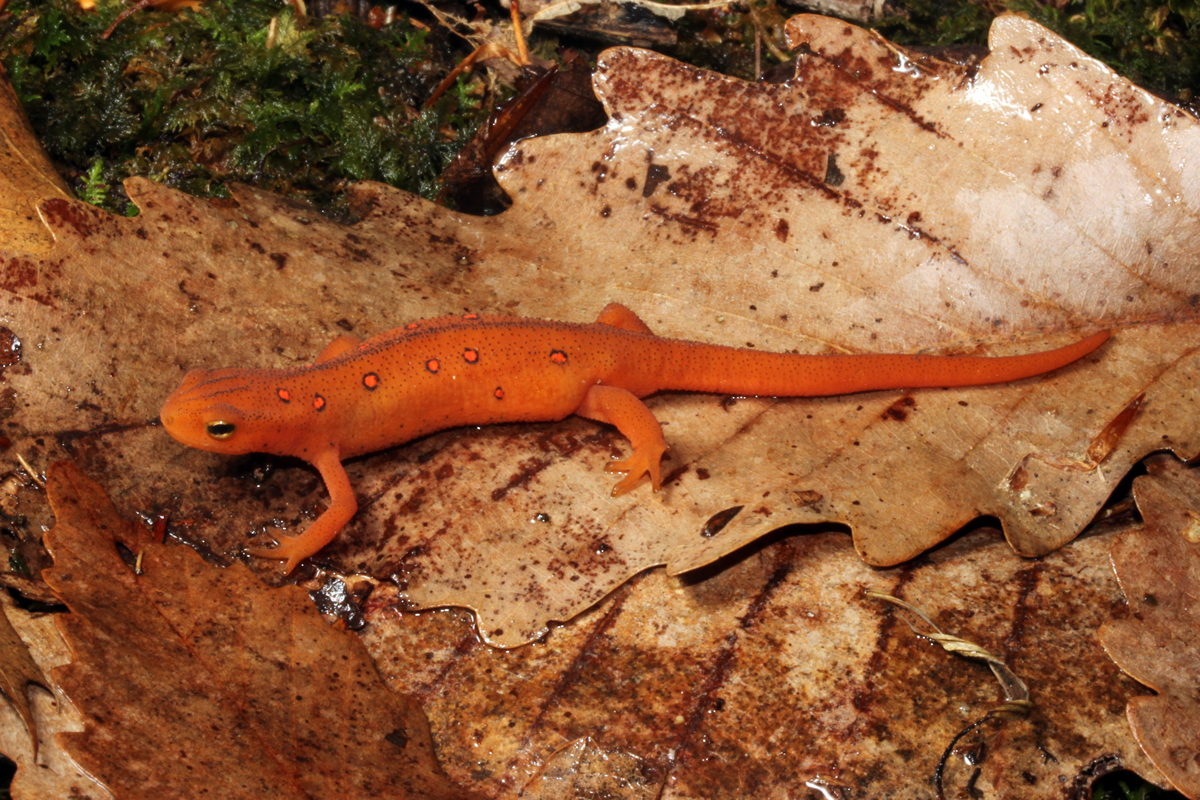
photo from Eastern newt (wiki), 貝氏擬態模型

photo from red-bakced salamander (wiki),其中一型非擬態

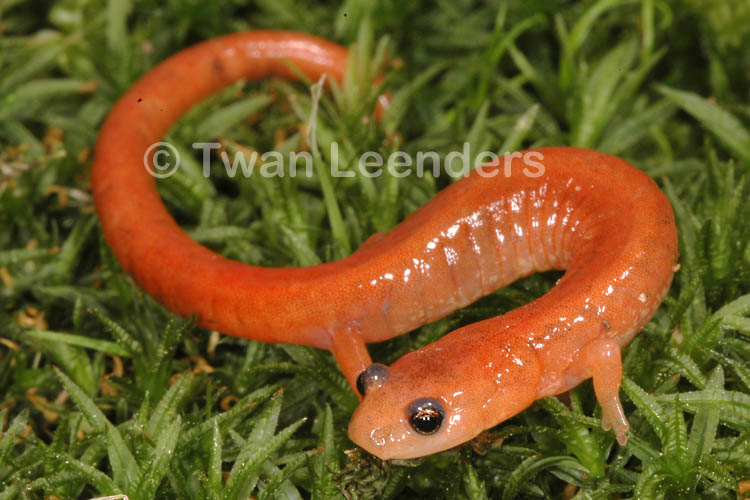
photo from Twan Leenders, 貝氏擬態者


標題:PREDATOR PERCEPTION OF BATESIAN MIMICRY AND CONSPICUOUSNESS IN A SALAMANDER

摘要

In Batesian mimicry a palatable mimic deceives predators by resembling an unpalatable model. The evolution of Batesian mimicry relies on the visual capabilities of the potential predators, as prey detection provides the selective force driving evolutionary change. We compared the visual capabilities of several potential predators to test predictions stemming from the hypothesis of Batesian mimicry between two salamanders: the model species Notophthalmus viridescens, and polymorphic mimic, Plethodon cinereus. First, we found mimicry to be restricted to coloration, but not brightness. Second, only bird predators appeared able to discriminate between the colors of models and nonmimic P. cinereus. Third, estimates of salamander conspicuousness were background dependent, corresponding to predictions only for backgrounds against which salamanders are most active. These results support the hypothesis that birds influence the evolution of Batesian mimicry in P. cinereus, as they are the only group examined capable of differentiating N. viridescens and nonmimetic P. cinereus. Additionally, patterns of conspicuousness suggest that selection from predators may drive the evolution of conspicuousness in this system. This study confirms the expectation that the visual abilities of predators may influence the evolution of Batesian mimicry, but the role of conspicuousness may be more complex than previously thought.

對擬態/警戒性的物種來說,重要的是這些顏色相對於背景來說夠不夠明顯,捕食者能不能看見,進而產生知覺的連結,費心經過天擇篩選出來的體色才能在自然界中綻放其光彩。

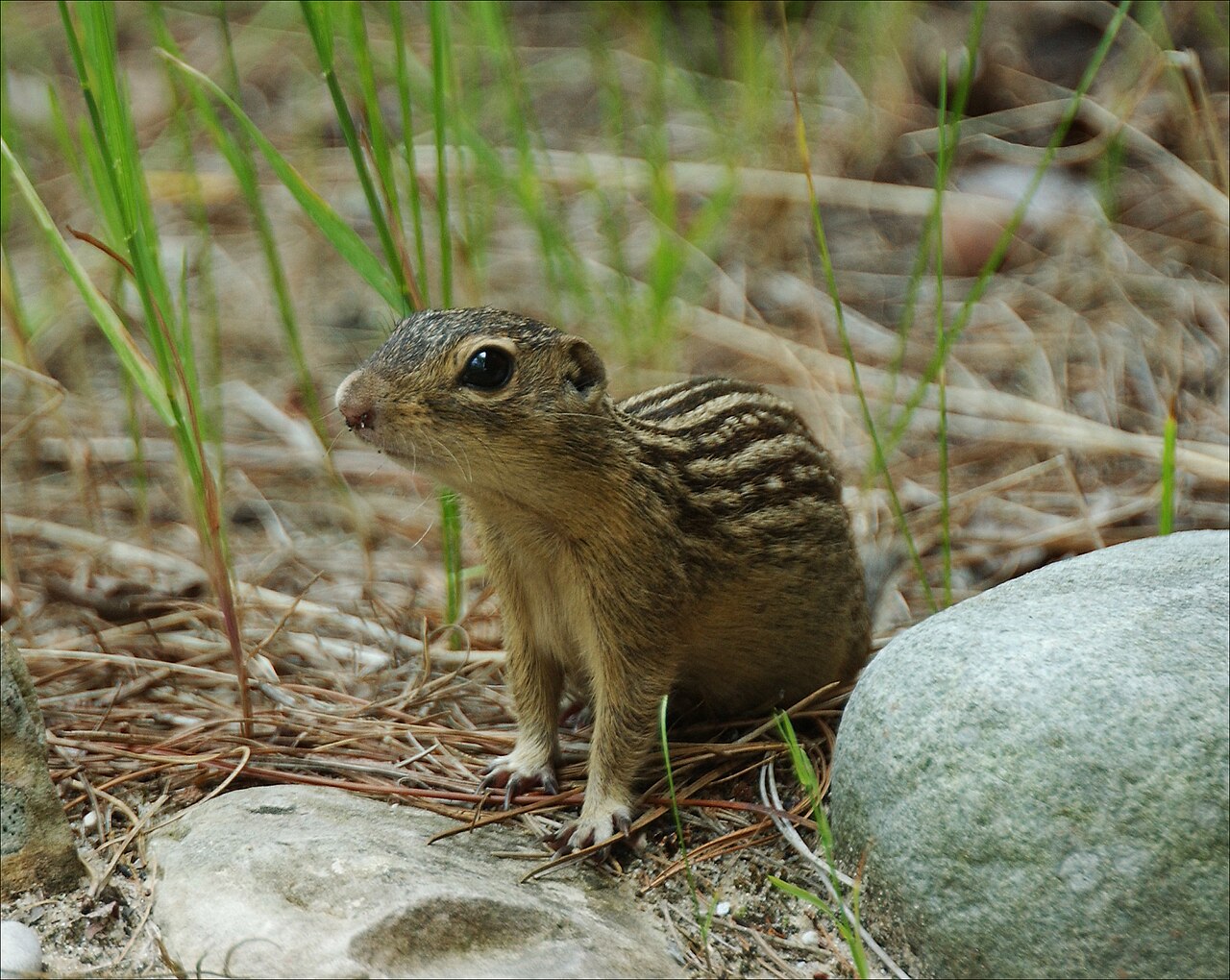
這個研究就在測試這個簡單的概念,對象是分佈於北美洲的火焰蠑螈 (Notophthalmus viridescens)與紅背蠑螈 (Plethodon cinereus)這個貝氏擬態群,藉由測量背部單點的反射光譜,與泥土、濕葉子、乾葉子的反射光譜相比,並且套用東方襪帶蛇 (Thamnophis sirtalis)、十三線地松鼠 (Spermophilus tridecemlineatus)與藍山雀 (Cyanistes caeruleus)分別代表三種不同的捕食者的視覺模型,統計有哪些捕食者可以看的到。結果顯示這個擬態的現象侷限於顏色(color),而不是亮度(brightness);視覺模型的統計中,只有鳥類能分辨火焰蠑螈與非擬態的紅背蠑螈;與背景比較的話,這些蠑螈與預期的一樣十分明顯。

photo from Common Garter Snake (wiki)

photo from Thirteen-lined ground squirrel (wiki)

photo from Eurasian blue tit (wiki)

不過如果仔細看內文的統計數據會發現一些有趣的事情,作者用三種不同的背景比較顯眼度,雖然著墨不多,但其實蛇與哺乳類對於不同背景的亮度還是有統計上的差異,若只從視覺模型這點來看,我想這些捕食者還是看的到某些東西,而我們對於蛇類與除了白鼠外的小型哺乳類的認知幾乎一無所知,即使只能透過亮度的差異,是不是就能達到警戒性的功用也未可知,作者把結論導向這個選汰的主力是鳥類捕食者,也只是因為在顏色的辨別達到統計上的顯著差異,未來透過同類型的捕食者的行為實驗或許能帶來更多結果。

不過有意思的是,作者在之後的研究(看這裡)裡說兩種蠑螈的亮度是隨族群有差異的,如果這個擬態群只有顏色影響其作用的話,那麼亮度為何需要變動?(或許是為了其他理由,如求偶)反過來說,亮度的變動有沒有可能反而是為了那些看不到顏色的捕食者,讓牠們能「看見」(警戒)或「看不見」(隱蔽)?
Wrote by Chia-Hsuan Wei
photo from red-bakced salamander (wiki),其中一型非擬態

photo from Twan Leenders, 貝氏擬態者

photo from Eastern newt (wiki), 貝氏擬態模型

標題:Batesian mimics influence the evolution of conspicuousness in an aposematic salamander

摘要
Conspicuousness, or having high contrast relative to the surrounding back- ground, is a common feature of unpalatable species. Several hypotheses have been proposed to explain the occurrence of conspicuousness, and while most involve the role of conspicuousness as a direct signal of unpalat- ability to potential predators, one hypothesis suggests that exaggerated conspicuousness may evolve in unpalatable species to reduce predator confusion with palatable species (potential Batesian mimics). This hypothesis of antagonistic coevolution between palatable and unpalatable species hinges on the ‘cost of conspicuousness’, in which conspicuousness increases the likelihood of predation more in palatable species than in unpalatable species. Under this mimicry scenario, four patterns are expected: (i) mimics will more closely resemble local models than models from other localities, (ii) there will be a positive relationship between mimic and model conspicuousness, (iii) models will be more conspicuous in the presence of mimics, and (iv) when models and mimics differ in conspicuousness, mimics will be less conspicuous than models. We tested these predictions in the salamander mimicry system involving Notophthalmus viridescens (model) and one colour morph of Plethodon cinereus (mimic). All predictions were supported, indicating that selection for Batesian mimicry not only influences the evolution of mimics, but also the evolution of the models they resemble. These findings indicate that mimicry plays a large role in the evolution of model warning signals, particularly influencing the evolution of conspicuousness.

貝氏擬態的演化預期是mimic會單方向追著model的斑紋跑,而穆氏擬態的是則是兩方共同趨近,因此在貝氏擬態的系統中,model應該總是會比起mimic更加顯眼,而非轉向趨近與mimic的相似。

這個研究的立論就在於此,作者藉由火焰蠑螈 (Notophthalmus viridescens)與其貝氏擬態者紅背蠑螈 (Plethodon cinereus)討論這個問題。作者提出四個假設 1) mimic與當地的model相似度較高 2) mimic與model的明顯度會有正相關 3) model比起mimic會比較明顯 4) 若兩者間明顯度有差異,mimic的明顯度必然低於model。藉由量測反射光譜與視覺模型的套用,結果支持上面的四個預期假設。

photo from red-bakced salamander (wiki)
紅背蠑螈似乎是多態型的種類,圖為沒有紅背的個體

整體來說就是model會影響mimic,反過來mimic也會影響model,這個共通點似乎在貝氏擬態與穆氏擬態都是是用的。

另一個小問題,這兩種蠑螈個人覺得不是很相像,是某種不完美擬態嗎?還是只是單純的兩種都有類似的訊號,剛好其中一種難吃?
Wrote by Chia-Hsuan Wei
Older Posts Home

FB專頁

熱門文章

  • 越紅越凶:草莓箭毒蛙的警戒色除了警告天敵也反應個體侵略性
  • 看起來很警戒,身上的顏色就都很警戒?重新評估北美經典擬態模型的警戒色的例子
  • 放棄身為跳蛛的堅持:除了型態之外,蟻蛛的動作也像螞蟻嗎?

精選文章

貓頭鷹蝶的眼紋真的擬態貓頭鷹的眼睛嗎?

相關網站

  • Heliconius Homepage
    Michel Cast sent me pictures of this nice hybrid specimen from Ceara, Brazil! Thank you Michel and P. Jauffret!
  • 這是什麼啊? 可以吃嗎?
    最近出現一個被狂轉的新聞,大意是說有人為了避免蝸牛被路殺所以在其殼上彩繪,希望這樣就能讓人類注意到蝸牛的存在而不要把牠們踩死。這聽起來好像立意不錯喔? 但就我們研究警戒與擬態的角度來說,我們認為這種作法天真且有些荒謬,為什麼呢? - 在偽裝(camouflage)與警戒(aposematism)形成...
  • WELCOME TO THE BIODIVERSITY LAB! | Biodiversity Lab
  • Kronforst Lab at the University of Chicago
  • mallet lab
  • MimeticButterflies
  • Mathieu Joron - Home
  • Evolution of predator-prey interactions — Bio- ja ympäristötieteiden laitos

文章類型

  • 文章 (Article) 113
  • 擬態環 (mimicry ring) 12
  • 回顧 (review) 10
  • 科普 4
  • 擬態那些事 3
  • 書 (Book) 3
  • 評論 (comment) 1

研究領域

  • 貝氏擬態 (Batesian mimicry) (43)
  • 警戒性 (Aposematism) (40)
  • 穆氏擬態 (Müllerian mimicry) (37)
  • 多態型 (polymorphism) (16)
  • 擬態環 (mimicry ring) (12)
  • 侵略型擬態 (aggressive mimicry) (10)
  • 隱蔽性 (crypsis) (10)
  • 不完美擬態 (imperfect mimicry) (6)
  • 種化 (speciation) (5)
  • 雌性擬態 (female-limited mimicry) (5)
  • 性擇 (sexual selection) (4)
  • 鳥蛋寄生 (egg parasite) (4)
  • 眼斑 (eyespot) (3)
  • 假頭 (false head) (2)
  • 性雙型性 (sexual dimorphism) (2)
  • 擬蟻性 (Myrmecomorphomania) (2)
  • 機動性擬態 (locomotory mimicry) (2)
  • "模糊"型擬態 (satyric mimicry) (1)

研究方式

  • 行為學 (Ethology) (46)
  • 生態 (Ecology) (21)
  • 系統發生學 (phylogenetics) (16)
  • 基因體 (Genomics) (12)
  • 視覺模型 (visual model) (10)
  • 模擬(modelling and simulation) (6)
  • 遺傳學 (genetics) (6)
  • 族群遺傳 (population genetics) (5)
  • 分子生物學 (Molecular biology) (4)
  • 化學生態 (Chemical ecology) (3)
  • 分子鑑定 (molecular identificaiton) (1)
  • 古生物學 (palaeontology) (1)
  • 地理資訊系統 (GIS) (1)
  • 演化發育學 (Evo-Devo) (1)

分類群

Copyright © 2015 擬態生物學. Designed by OddThemes | Distributed By Gooyaabi Templates